What to do about marks left after a breakout
Reduce avoidable irritation while deciding whether to seek treatment.
Editorially expanded November 29, 2026 · Educational information
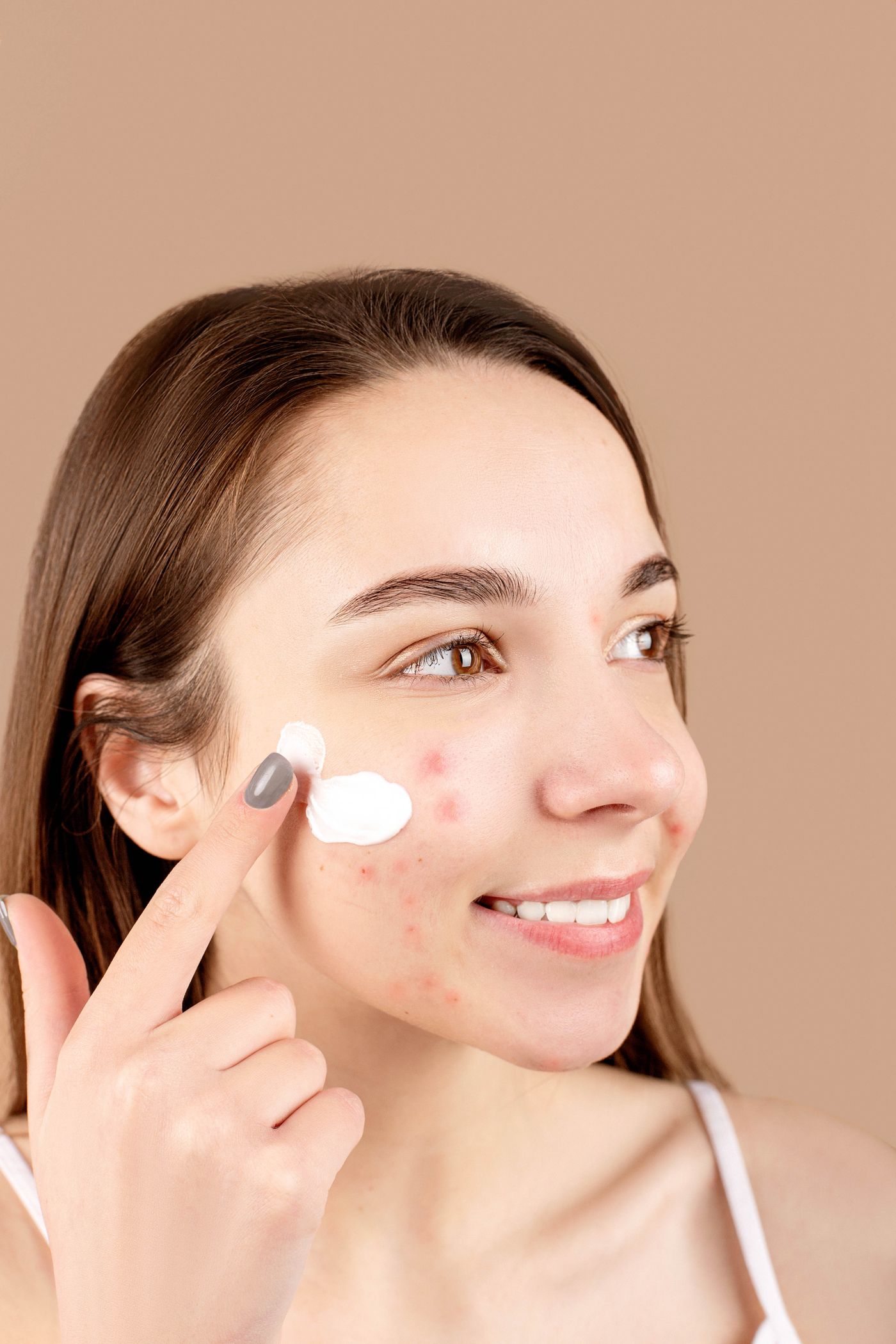
Do not pick
Squeezing or repeatedly touching blemishes can prolong irritation and increase the risk of scarring or dark marks. Give your routine a chance to work without adding unnecessary friction. If a lesion is painful or persistent, ask a clinician about appropriate care.
Treat active breakouts differently
An active breakout and a flat mark left after it heals may need different approaches. Managing the cause of new breakouts can help prevent additional marks. A cosmetic brightening product is not a replacement for effective acne treatment.
Protect and be patient
Keep daily sun protection in place and avoid applying multiple aggressive products to the same area. Some marks take time to fade. If you have deep scars or ongoing acne, a dermatologist can discuss options tailored to your skin tone and history.
Separate color changes from changes in texture
After a breakout has healed, a flat spot of altered color may remain. A depression or raised area is a different kind of change and may represent scarring. The distinction matters because a product marketed for uneven tone is not expected to correct every change in texture. It is also possible to have both kinds of change at the same time. Do not try to determine the exact condition from a product company's before-and-after photographs. If acne is still active, painful or leaving scars, professional care may help address the cause of new marks.
Protect the skin while it recovers
Avoid picking and aggressive scrubbing, which can create additional inflammation. Use gentle cleansing and an appropriate moisturizer, especially if an acne treatment causes dryness. Maintain broad-spectrum SPF 30 or higher on exposed skin. For readers concerned about pigmentation, the AAD discusses tinted sunscreen containing iron oxide as an option for additional protection from visible light. A sunscreen is not an instant spot remover, and it should not be used only on the individual marks. If an acne medicine has been prescribed, follow its instructions and ask about any additional cosmetic products.
Add a targeted product only when appropriate
Some cosmetics are marketed to improve the appearance of uneven tone, and some medicines address acne or pigmentation. They are not interchangeable. Review the intended use, instructions and risks before buying. An active ingredient that creates irritation can work against your goal, particularly if your skin tends to develop darker marks after inflammation. Avoid combining several new acids, scrubs and brightening products at once. Stop a suspect product if irritation is significant or persistent, and ask a dermatologist about appropriate alternatives.
Give your record a consistent reference point
Photograph the same area in comparable lighting and note when the breakout occurred and which products changed. A flat spot may look different immediately after moisturizing or under different camera exposure. Avoid changing the routine in response to every daily observation. New or evolving lesions, symptoms and concerns about scarring deserve assessment. The most useful question is whether new breakouts are being addressed and the skin is comfortable, not whether a sales page's promised deadline has been met.
Questions readers often ask
Can exfoliation flatten a pitted acne scar?
A textural scar is different from a flat color change. Do not assume that a cosmetic exfoliant will correct a depression in the skin. A dermatologist can assess the type of change and explain available options, including risks and realistic expectations.
Does an acne mark need sunscreen if it is already dark?
Sun protection is relevant to many pigmentation concerns. Protect exposed areas rather than applying sunscreen only on the spot. Follow appropriate directions, and consider tinted protection with iron oxide if relevant to your circumstances.