How your skincare needs may change around menopause
Dryness and sensitivity can change over time, even when the products on your shelf have not changed.
Editorially expanded November 29, 2026 · Educational information
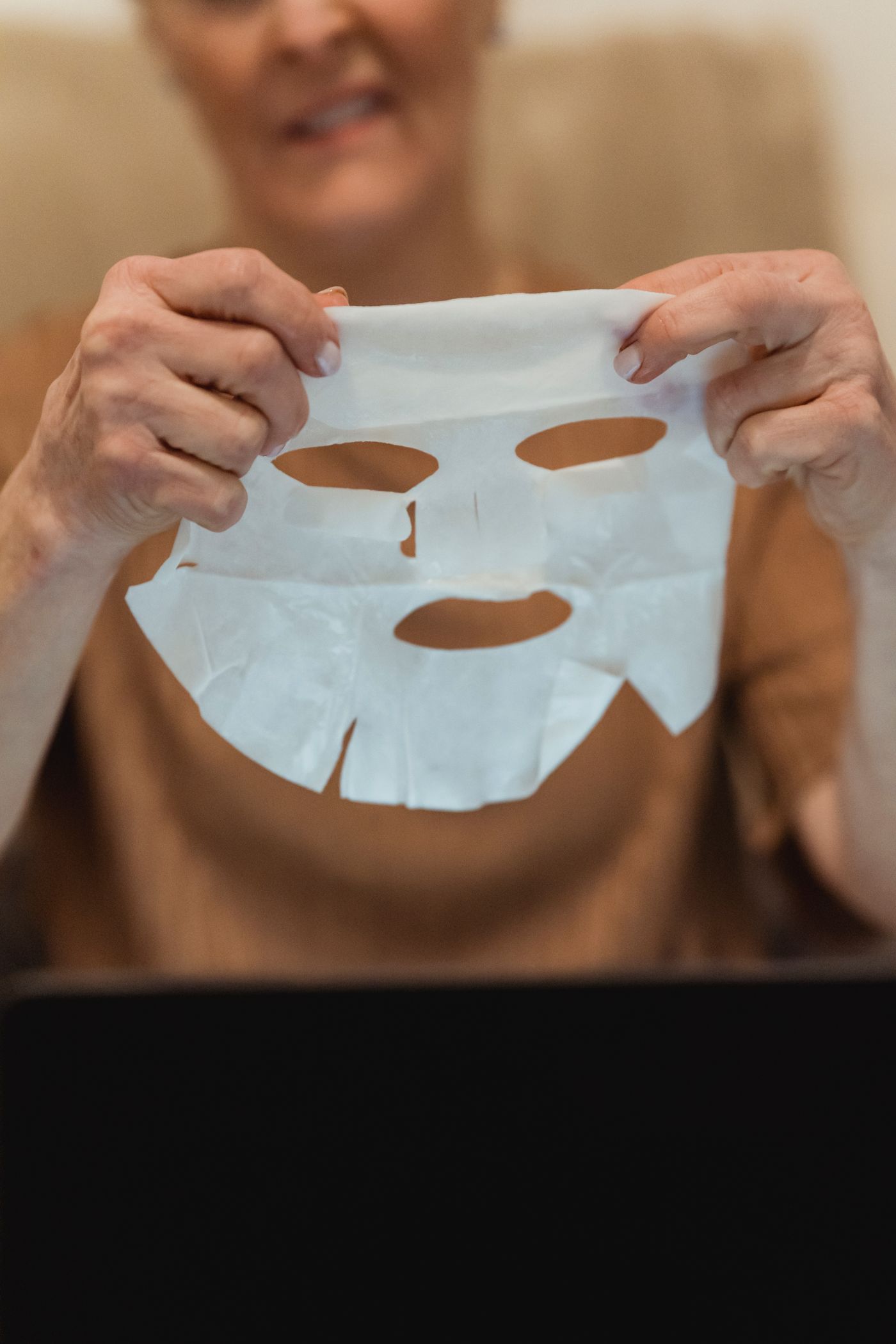
Reconsider the cleanser first
A cleanser that once felt refreshing can become uncomfortable as skin changes. Instead of assuming you need an expensive anti-aging kit, consider how your skin feels after cleansing. A mild wash, comfortable moisturizer and reliable sun protection are sensible starting points. A routine that worked in your twenties need not be the routine you keep forever.
Make room for comfort
A richer cream may suit skin that has become drier. Compare how a product spreads, how it feels several hours later and whether it interferes with sunscreen. You do not have to buy separate products for every facial area. Choose an uncomplicated base before introducing a treatment aimed at wrinkles or pigmentation.
Separate skincare from medical questions
Menopause-related changes can include symptoms that cosmetics cannot resolve. New or changing spots, persistent itching, painful rashes or other unexplained changes deserve medical evaluation. Discuss hormone-related concerns with your clinician rather than relying on supplements or cosmetic claims. A good routine should be adaptable to your needs, not a promise to reverse aging.
Why the routine may need to change
Changes around menopause can affect how skin feels, including dryness and sensitivity. This does not mean every person experiences the same symptoms or needs a collection of products labeled for menopause. A familiar cleanser may become uncomfortable, or a lotion that worked in humid weather may no longer feel sufficient. The American Academy of Dermatology's guidance on menopause emphasizes mild cleansing, moisturizing and sun protection. Begin with the problem you actually notice. New or persistent skin changes should not automatically be attributed to hormones, since unrelated conditions can also occur at this stage of life.
Rebuild around comfort rather than a new brand category
A useful starting point is a cleanser that does not leave the skin feeling tight, a moisturizer with a texture you can maintain and appropriate sun protection. Consider the neck, chest and hands as well as the face. If a richer cream feels more comfortable at night, it does not have to be sold as a special hormonal formula. Compare the ingredient list and the way you use the product. Avoid introducing several strong actives just because a new set promises to address every sign of aging. If you already use a treatment, check with your clinician before changing it.
Look beyond the face
Dry indoor air, hand washing, hot showers and outdoor exposure affect the body as well as the face. A larger fragrance-free body moisturizer may be a more practical purchase than several small specialist jars. If you notice discomfort after bathing, consider shorter, lukewarm showers and applying moisturizer while the skin is still slightly damp. Protect exposed areas according to sunscreen directions. Changes in the appearance of a dark spot or a new lesion should be assessed rather than covered up or treated with a brightening serum.
Prepare useful questions for a clinician
Bring a list of symptoms, when they began, any relevant medicines and the products you have used. Ask whether the concern is ordinary dryness, dermatitis, acne or another condition that needs a different approach. Hormonal treatment decisions involve health history and should not be made on the basis of a cosmetic advertisement. A skin-care guide can help organize choices, but it cannot establish a diagnosis or tell you whether systemic treatment is appropriate. There is no need to buy a product that claims to balance hormones through a beauty routine.
Questions readers often ask
Do I need a product specifically labeled for menopausal skin?
No category label is required to choose a comfortable moisturizer or appropriate sunscreen. Review the actual ingredients and directions. If changes are persistent or bothersome, discuss them with a clinician. Marketing that references hormones does not establish that a cosmetic changes hormone levels.
What about changes in facial hair or scalp hair?
These can have causes that require separate assessment. Do not assume that a face cream or supplement marketed for menopause is the right treatment. A clinician can review the timeline and relevant health history and explain appropriate options.