Dark circles under the eyes are not all the same
Why shadows, pigmentation and puffiness can look similar, and what cosmetics can reasonably do.
Editorially expanded November 29, 2026 · Educational information
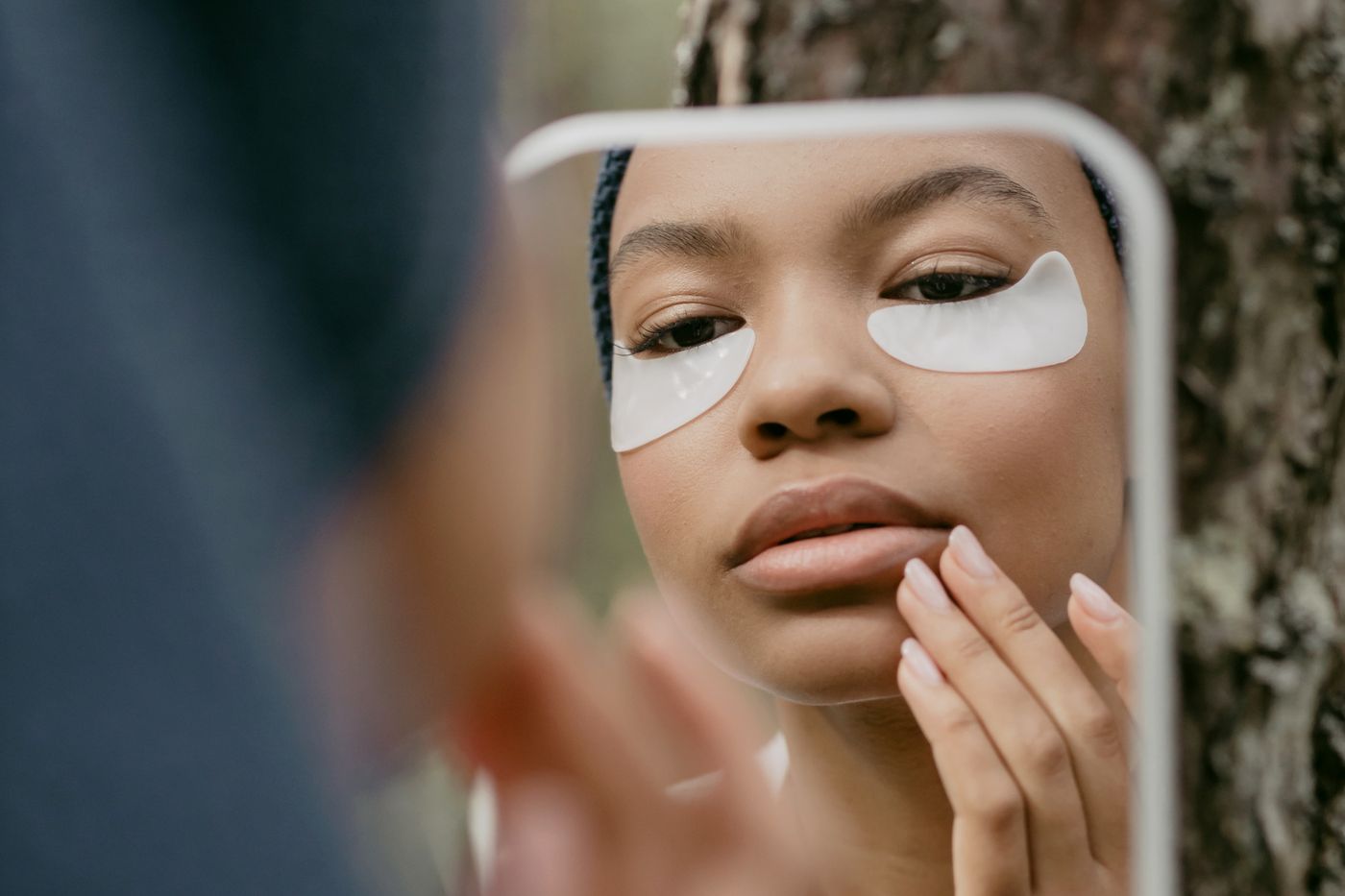
Look at the circumstances
The appearance of the under-eye area can depend on lighting, the contours of the face and skin color. Compare ordinary daylight with overhead lighting before assuming that all darkness comes from pigment. A cosmetic product aimed at uneven tone may not address a shadow created by the shape of the eye area.
Be realistic about creams
A moisturizer may improve the appearance of dryness, while makeup can offer temporary coverage. Neither is a guaranteed treatment for every cause of dark circles. Read the directions for products intended for use around the eyes. Avoid applying strong facial actives close to the eye just because they promise a brighter complexion.
When to seek advice
If the appearance changes suddenly, is markedly different on one side or is accompanied by pain, irritation or visual symptoms, arrange an appropriate medical evaluation. A clinician can help determine whether allergies, another condition or ordinary anatomy is involved. A good buying decision begins with a realistic goal rather than an unrealistic before-and-after photograph.
Why different shadows call for different expectations
The appearance of dark circles can reflect pigment, the way light falls across facial contours, visible vessels or a combination of factors. A shadow may look different under overhead lighting than it does facing a window. Genetics, age and other circumstances can also affect appearance. It is not possible to establish a cause reliably from a single mirror observation or an online product quiz. If the concern changes suddenly, appears mostly on one side or is accompanied by symptoms, seek professional advice rather than assuming it is an ordinary cosmetic issue.
Match the purchase to a limited cosmetic goal
A moisturizer may make dry skin feel more comfortable and change the appearance of fine surface lines. A concealer may reduce the visible contrast without treating the underlying cause. A brightening product may be marketed for pigment-related appearance but cannot change every source of a shadow. Before buying an eye cream, decide whether your goal is hydration, makeup wear or a particular cosmetic change. Read the intended application area, since some active products are not suitable close to the eye.
Take a fair comparison photograph
If you want to evaluate a cosmetic change, use the same lighting, angle, distance and facial expression. Avoid comparing a photograph taken after applying concealer with a bare-skin photograph from another day. Record whether you have changed products and whether you notice irritation or discomfort. A photograph can help you describe a concern, but it cannot diagnose an eye or skin condition. Do not turn daily photographs into a requirement to keep buying more products.
When an eye cream is not the answer
Persistent eye discomfort, swelling, redness, pain or changes in vision deserve appropriate care. A person who has recurring eyelid irritation may need to review cosmetics and contact allergies with a clinician rather than try another active ingredient. If a long-standing appearance concern remains bothersome, a dermatologist or other qualified clinician can discuss possible causes and realistic options. Many ordinary variations in under-eye appearance do not require correction. A product should not be purchased solely because a dramatic advertisement promises to erase all shadows.
Questions readers often ask
Can a brightening serum remove shadows caused by facial contours?
A cosmetic intended for pigment-related appearance cannot be assumed to change anatomy or the way light falls across the face. A concealer may change visible contrast without treating the cause. Seek professional assessment for persistent concerns or sudden changes.
Does dark-circle appearance always indicate lack of sleep?
No. Several factors can influence it. Do not diagnose a health issue from cosmetic appearance alone. If a new change is accompanied by symptoms or otherwise concerns you, ask an appropriate clinician rather than assuming that an eye product is the answer.