How to compare skincare prices by the ounce
A practical buying method that accounts for package size, shipping and recurring purchases.
Editorially expanded November 29, 2026 · Educational information
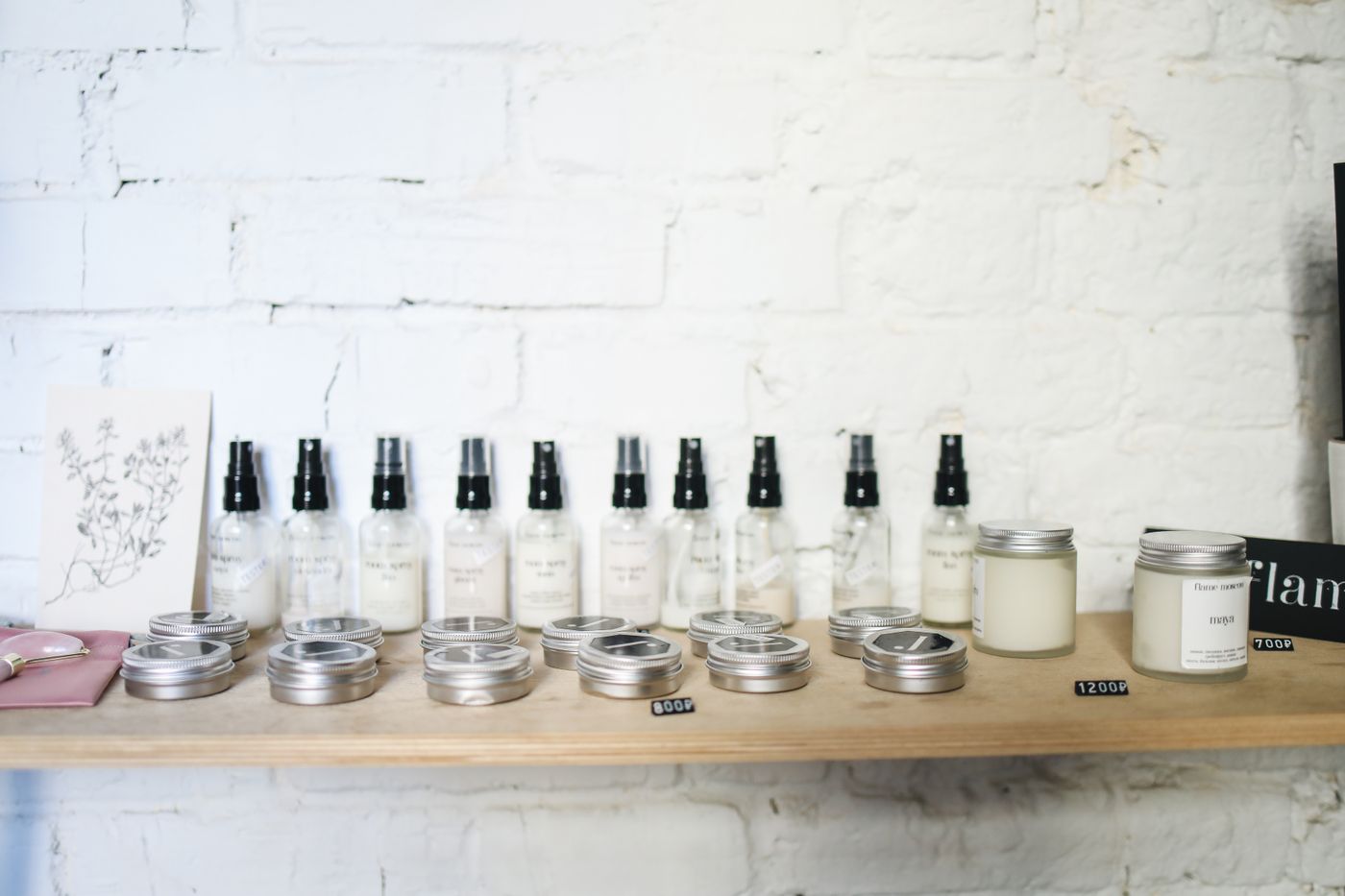
Compare the same units
Two moisturizers can look similarly priced until you read the net quantity. Divide the total price by the amount in the package, using the same unit for both products. A $24 cream in a two-ounce jar costs $12 per ounce; an $18 cream in a one-ounce tube costs $18 per ounce. These are illustrative prices, not current retailer quotes.
Include the real checkout cost
Consider delivery fees and any discounts that apply to your actual order. A multipack may lower the unit price but can waste money if you do not finish it within the recommended period of use. A trial size may be sensible when you are not sure whether a formula suits you, even when its unit price is higher.
Look at terms as well as price
Before checking out, confirm whether the price applies to a one-time purchase or automatic renewal. Read return conditions and how to cancel a subscription. Keep the order confirmation. The best deal is a product you can use safely, comfortably and without unexpected recurring charges, not simply the lowest number on a promotional banner.
Start by comparing the same measurement
U.S. skincare packages may show fluid ounces, milliliters, ounces by weight or grams. Volume and weight are not interchangeable without knowing the density of the product. Compare fluid ounces with fluid ounces, or grams with grams, and check the net amount rather than the size of the outer carton. When two products use different units of the same kind, convert them consistently. One U.S. fluid ounce is about 29.57 milliliters. A jar that looks much larger on the shelf may contain less product than its packaging suggests.
Work through the arithmetic before deciding
Imagine two comparable lotions: one costs $18 for 2 fluid ounces and the other costs $30 for 4 fluid ounces. The first is $9 per fluid ounce; the second is $7.50 per fluid ounce. If both are suitable and you can finish either within its recommended period, the larger bottle is less expensive by this measure. But a $10 shipping charge on the larger option would bring its total to $40, or $10 per ounce. Include the actual checkout cost when comparing retailers.
Include usage and expiry in the comparison
A product used daily may be replaced much sooner than an occasional mask. Price per application or monthly cost may be more useful than unit price for these different formats. Do not compare a tiny eye cream with a large body lotion as though their intended use were identical. Consider the manufacturer's directions, how long the product is expected to remain suitable and how likely you are to finish it. A smaller trial size may prevent waste when you do not know whether a formula is comfortable.
Examine subscriptions and bundle terms
A first-order discount can make a product look inexpensive while subsequent shipments cost more. Check the frequency, recurring price, shipping, cancellation procedure and return terms before purchasing. If a bundle includes products you do not need, calculate the price of the useful items separately. These details can change the value more than a small difference in unit price. Keep a record of the actual amount paid so that you can make a fair comparison the next time you shop.
| Option | Total price | Volume | Price per fl oz |
|---|---|---|---|
| A | $18 | 2 fl oz | $9.00 |
| B | $30 | 4 fl oz | $7.50 |
| B with shipping | $40 | 4 fl oz | $10.00 |
Questions readers often ask
Can I compare a 50-gram jar directly with a 50-milliliter bottle?
Not precisely without knowing the density, since weight and volume measure different things. Compare the same kind of unit whenever possible. A product's carton size and marketing description do not reliably indicate the actual net contents.
Should I include a coupon in my unit-price calculation?
Use the amount you actually pay, including applicable shipping and fees. If the discount applies only to a subscription's first shipment, calculate subsequent orders separately. The introductory unit price may not represent what you will spend over time.