Vitamin C serum: what to look for on the label
A closer look at ingredient names, packaging and the questions worth asking before buying.
Editorially expanded November 29, 2026 · Educational information
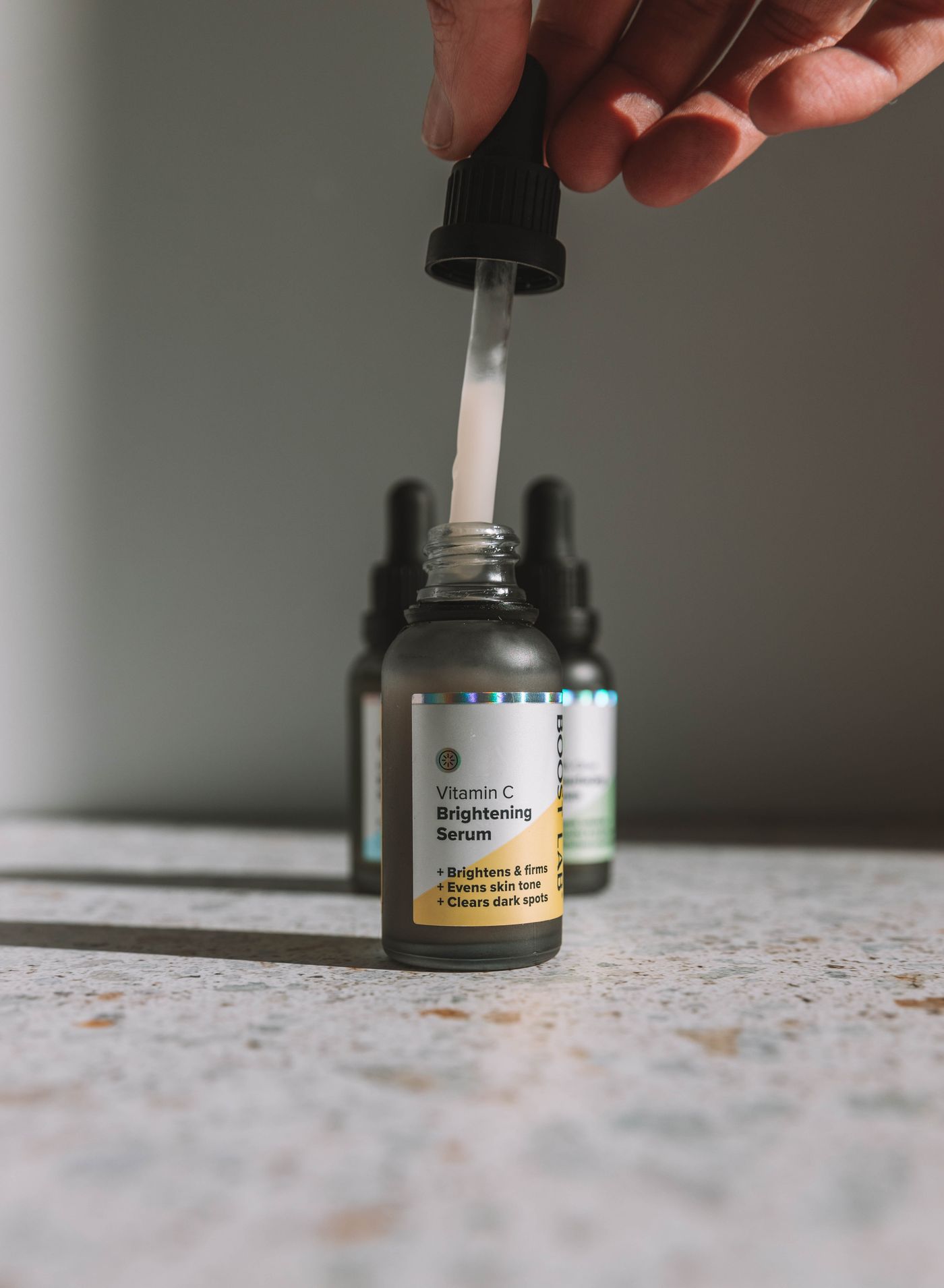
Identify the ingredient and the formula
Vitamin C appears in skincare under several names, including ascorbic acid and derivatives. These forms should not be assumed equivalent just because the package says vitamin C. A percentage may refer to an ingredient blend rather than a single substance. The full ingredient list and directions are more informative than a prominent number alone.
Consider your daily routine
A vitamin C product is an optional step, not a substitute for sun protection. If you want to use one, choose a format that fits comfortably with the products you already apply. Avoid adding several new active products on the same day. If you know your skin reacts to certain ingredients, read the entire list rather than focusing on the advertised hero ingredient.
Look after the bottle
Check storage and use instructions. An opaque container or pump can be convenient, but packaging alone does not establish formula stability. If the product changes noticeably in smell, appearance or texture, contact the manufacturer rather than assuming it is still suitable. Do not rely on a promise to erase spots; seek medical advice for unexplained or changing pigmentation.
Find out which ingredient the label is describing
Vitamin C is a family of ingredient names on cosmetic labels, including ascorbic acid and various derivatives. They differ in formulation requirements; a percentage of one derivative does not necessarily predict the same outcome as an equal percentage of another. A product's pH, vehicle, packaging and stability may all affect the finished formula. The ingredient list tells you what the company declares, but does not usually disclose every concentration or establish the performance of the product. Compare the actual variant and its stated purpose before ranking two bottles by the number on the front.
Think about the role in a morning routine
A vitamin C serum is an optional step, not a replacement for sunscreen. If you add one, follow its directions and keep other products stable initially. Some people prefer the way a light serum layers under moisturizer and sunscreen; others experience stinging or dislike the finish. A product that causes persistent discomfort should not be forced into the routine. If you already use another active ingredient or prescription treatment, ask a clinician when compatibility is uncertain. More layers do not necessarily produce a more useful outcome.
Packaging and storage deserve attention
Look for the manufacturer's storage instructions and the condition of the product. A package that helps limit exposure to air and light may be relevant to some formulas, but packaging alone cannot establish stability. Do not assume that all color changes have the same meaning; ask the manufacturer about its specific formulation. Keep track of the opening date and follow expiration or period-after-opening guidance where provided. Buying a large bottle is not good value if you cannot use it within the recommended period.
Choose a realistic comparison
Compare two formulas by the declared vitamin C ingredient, intended use, directions, amount, packaging, cost and compatibility with the rest of your routine. A product marketed to improve the appearance of uneven tone is not a diagnosis or treatment for an unexplained skin lesion. Seek professional advice for persistent or changing marks. A comfortable, consistently used routine with appropriate sun protection is a more useful foundation than buying multiple competing brightening serums at once.
Questions readers often ask
Does an amber bottle prove a vitamin C serum is stable?
No. Packaging can be relevant, but the complete formulation, manufacturing, storage and directions also matter. Follow the maker's information about the exact formula. A bottle color alone cannot establish potency throughout the product's useful life.
Should I compare two vitamin C products by percentage?
Only with care. Identify whether they contain the same compound and whether the amount refers to a single ingredient or a blend. The percentage does not replace evidence about the finished formulation, its intended use or your own tolerance.