How to start using retinol gently
How to introduce a retinoid thoughtfully and recognize when to slow down.
Editorially expanded November 29, 2026 · Educational information
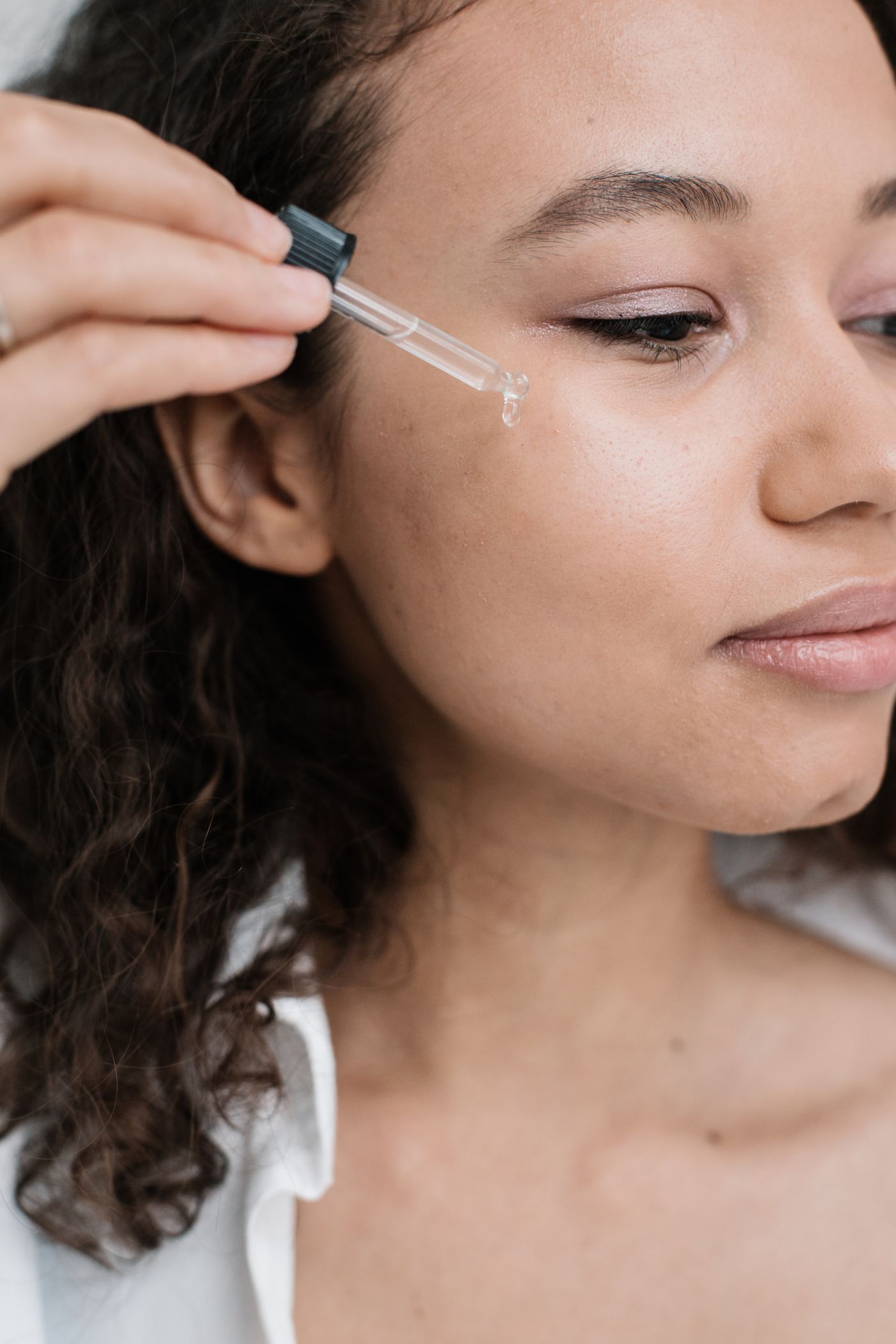
Know the difference
Retinol is one member of the broader retinoid family. Products vary in concentration, formulation and intended use; the strongest label is not automatically the best starting point. Prescription retinoids require their own instructions. Discuss retinoids with a clinician if you are pregnant, trying to conceive or breastfeeding; topical retinoids should generally be avoided during pregnancy.
Make room in your evening
If a retinol is appropriate for you, begin with the lowest practical frequency and follow its label. Avoid introducing several exfoliating products at the same time. A basic moisturizer and daily sun protection are sensible companions. Do not increase frequency simply because a calendar says it is time.
When to stop
Stinging, redness or peeling that persists is a reason to stop and reassess, not a sign that a product is working better. A dermatologist can help when acne, pigmentation or other concerns are significant. Keep the package directions and note when you first began using the product.
Understand the ingredient before choosing the strength
Retinoids are a family of vitamin A-related compounds, not a single interchangeable product. Retinol and retinal are used in many cosmetics; certain other retinoids are available as regulated acne medicines, including prescription formulations. The routes by which these compounds act differ, so a percentage printed on one product cannot be directly compared with the same percentage on another. A bottle advertising a retinoid complex may not disclose the amount of each compound. Look for clear identification, directions and warnings rather than treating the largest number as a ranking. If your aim is to address acne or a skin condition, consult a clinician rather than assuming that a cosmetic serum will replace treatment.
Decide whether this is the right time to introduce it
Before adding a retinol, consider your existing routine. Does the skin already sting when you apply a moisturizer? Are you beginning a prescribed acne treatment or recovering from a rash? Is sun protection a consistent part of the day? These questions help establish whether a new optional active ingredient is sensible. Retinoids are generally avoided during pregnancy; if you are pregnant, planning pregnancy or breastfeeding, discuss the product with a clinician. Avoid using a product against its instructions, including putting it close to the eyelids or on injured skin when that use is not intended. A simple moisturizer may be a better purchase when your immediate concern is discomfort.
Build an evening schedule around the instructions
A cautious approach is to begin with a low frequency consistent with the label, rather than assuming you must apply retinol every night. A basic evening routine can consist of gentle cleansing, the retinol product according to its instructions and a suitable moisturizer. On other evenings, keep the routine simple. Some formulations have particular instructions about whether the skin should be dry or where the moisturizer fits in. Follow those directions instead of copying a universal routine from social media. If you already use a prescribed retinoid, ask the prescriber before changing the frequency or adding another active ingredient.
How to recognize a routine that is too demanding
Keep track of what happens during the day, not just the moment you apply the serum. Does ordinary washing suddenly sting? Are there dry patches near the mouth or a persistent change in skin color? If irritation is significant or continuing, stop the suspect product and obtain advice. Do not interpret burning or peeling as proof that the active ingredient is delivering a stronger benefit. Irritation itself can contribute to dark marks, particularly in skin prone to post-inflammatory hyperpigmentation. A clinician may suggest a different formulation or treatment, or determine that retinol is not appropriate for your concern.
Think in terms of comfort and gradual change
Many cosmetic changes are gradual and vary from person to person. A moisturizer can temporarily make dry fine lines look less prominent, while a retinoid may be chosen for a different longer-term purpose. Comparing a freshly moisturized photograph to one taken on a dry morning is not a fair way to assess that effect. Write down your starting product and schedule, and note comfort over time. Avoid changing multiple new products in response to every photograph. If a treatment is prescribed, use the follow-up plan established by your clinician; a commercial product's promise is not a clinical timetable.
Common questions about starting retinol
Can I use it with vitamin C? Compatibility depends on the formulations and your tolerance; there is no obligation to start both. Can I use a body lotion containing retinol on my face? Follow the product's intended application area. Can I increase the strength when the bottle is finished? Not automatically; the decision depends on what the product is doing and whether it is comfortable. Do I need an expensive eye retinol? A separate product is optional, and sensitive eye-area skin may not tolerate it. Whatever you choose, maintain adequate sun protection and avoid unnecessary irritation.
What to keep in a simple product diary
Instead of ranking your routine by how many nights you use an active, write down the product name, date of opening, the label's directions, days of application and whether ordinary cleansing or moisturizing became uncomfortable. A useful diary has room for days when you did not apply the optional product. If a reaction occurs, this record can help a clinician understand the sequence of events. Do not use the diary as a schedule that forces you to increase frequency. Keep a note of any other treatment, and do not alter a prescribed regimen to match a cosmetic's instructions.
Questions readers often ask
Can I use a stronger retinol only once a week instead of a lower-strength product?
There is no simple conversion between concentration and frequency. The compound, vehicle, instructions and your tolerance matter. Choose a formula appropriate to your situation rather than inventing an equivalent schedule. If you already use prescription treatment, ask the prescriber before adding a cosmetic retinoid.
Does my skin have to peel before I see a benefit?
No. Peeling is not a measurement of effectiveness. If significant irritation develops, stop the suspect product and ask a clinician about what to do. Maintain suitable moisturizing and sun protection. Do not use other exfoliants to remove the flakes aggressively.