Hydrating or brightening serum? How to compare them
A shopping framework for deciding which type of serum belongs in your routine.
Editorially expanded November 29, 2026 · Educational information
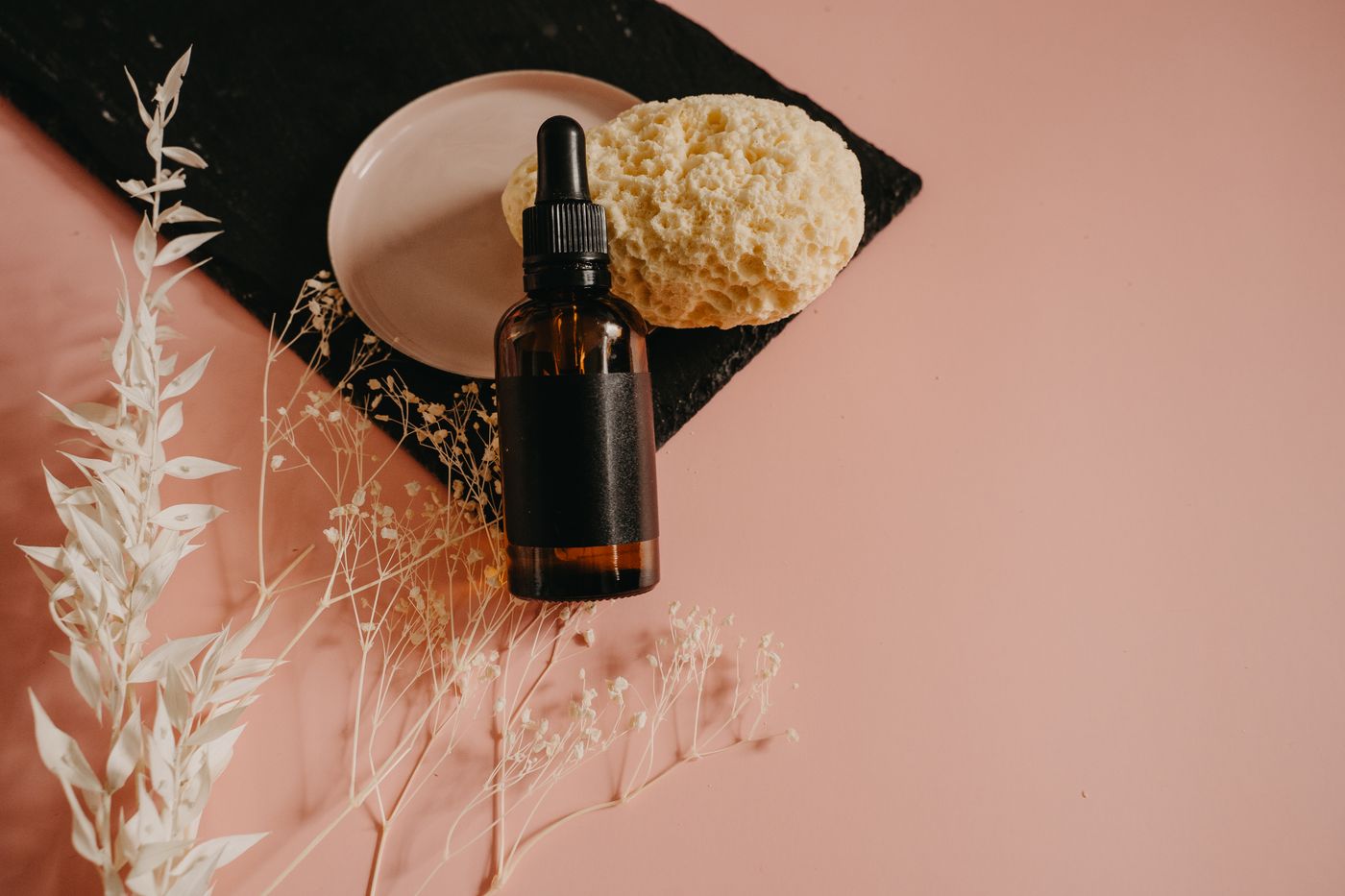
Shopping guidance based on published information, not hands-on product testing. See our affiliate disclosure.
Separate two shopping goals
A hydrating formula is typically chosen for comfort and the appearance of dryness. A brightening formula is marketed toward uneven-looking tone. These goals can overlap, but they should not automatically require two separate purchases.
Compare what the label actually says
Read the intended use, application frequency, ingredient list and warnings. Do not assume two serums containing the same featured ingredient are identical. Packaging, concentration and the rest of the formula can matter, and those details may not be fully disclosed.
Avoid buying a whole stack
Pick one candidate that addresses your main concern. Test cautiously and keep other products stable. If your concern is a changing skin mark, seek professional assessment rather than selecting a serum. Use sunscreen consistently when addressing pigmentation.
Identify the outcome before comparing bottles
Hydration and a change in the appearance of uneven tone are separate shopping goals. A hydrating serum may use humectants such as glycerin or hyaluronic acid and may be purchased for comfort or texture. A brightening serum may contain vitamin C, niacinamide or other ingredients marketed for cosmetic appearance. These categories can overlap. The exact formula, directions and intended use matter more than the broad title on the package. If the concern is an unexplained or changing lesion, seek assessment rather than choosing a brightening product based on the label.
Compare the complete ingredient story
A percentage on the front can be useful only when you know which ingredient or blend it describes. Different forms of vitamin C, for example, cannot be ranked solely by an equal advertised percentage. A moisturizer may already contain ingredients that serve a similar purpose to a separate hydrating serum. Check the full ingredient list, instructions, storage and package size. The presence of a particular ingredient does not establish that the finished product delivers a specific outcome in every reader. Be cautious when the advertisement does not explain the evidence behind a dramatic claim.
A side-by-side shopping exercise
Suppose a reader already uses a comfortable moisturizer and sunscreen but finds the morning base too heavy. A lighter moisturizer may be a better first adjustment than adding a hydrating serum under the same cream. Another reader is interested in the appearance of uneven tone and may consider a targeted cosmetic after establishing consistent sun protection and reviewing the cause of the concern. These examples illustrate how two people browsing the same serum aisle may make different decisions. A reader who has neither problem does not need to buy a serum simply to complete a popular skincare routine.
Pay attention to cost, size and use instructions
A hypothetical $24 bottle containing one fluid ounce costs $24 per fluid ounce; a $42 bottle containing two fluid ounces costs $21 per fluid ounce. The larger package is a better unit price only if the products are comparable and you can use it within the recommended storage period. A small trial size may reduce waste with an unfamiliar formula. Compare the checkout total and any subscription terms. Do not buy a matching stack of three serums before determining whether each one has a distinct useful purpose.
Make the first trial easy to interpret
Introduce an optional product separately and follow the label. Keep prescribed treatment directions in place, and ask about compatibility if needed. Notice whether the serum layers comfortably beneath sunscreen and whether it causes irritation. Do not solve cosmetic pilling by using less sunscreen. If stinging or redness is significant or persists, stop the suspect product and seek advice. This is particularly relevant when a serum is purchased for pigmentation, because additional irritation may work against the intended goal.
Evidence, claims and the repurchase decision
Compare how a company describes its supporting information. A study of an ingredient under laboratory conditions is different from evidence of a finished formula's performance. A cosmetic claim about the appearance of radiance is different from a claim to treat a disease. Review the FDA's consumer guidance on cosmetic labeling and potentially harmful skin-lightening products. If the serum adds little practical value or makes the routine uncomfortable, there is no obligation to replace it. A clear goal, suitable instructions and realistic expectations are more important than the popularity of the ingredient.
| Goal | First check | Potential purchase |
|---|---|---|
| Comfort | Current moisturizer and cleanser | Optional hydrating serum |
| Uneven appearance | Cause, sun protection, irritation | Targeted cosmetic if appropriate |
| Makeup compatibility | Number of layers | Simpler base or different texture |
Manufacturer label examples
Examples of published product information, not independent product tests or rankings. Check the current label and price before purchase. Links go to the manufacturers.
The Ordinary Hyaluronic Acid 2% + B5 (Original Formulation)
Hydrating serum; compare its texture and directions.
Manufacturer information ↗The Ordinary Hyaluronic Acid 2% + B5 (with Ceramides)
A distinct formulation within the same range. The product name alone is not enough to identify the variant.
Manufacturer information ↗Compare one shopping basket with another
A shopper with a $35 optional budget could spend it on one targeted serum or a combination of several inexpensive products. The second basket is not necessarily better value if its ingredients overlap with the existing routine. Look for a specific purpose for each item, write down the recurring cost and reserve enough of your budget for appropriate sunscreen and the products you already use. A sale on an unfamiliar serum is not a reason to change several steps at once. Keep the exact variant and instructions for reference.
Questions readers often ask
Can I use one serum that claims both hydration and brightness?
It may be a practical option if the formula is appropriate and serves the goals you have identified. Compare the exact claims, ingredients and directions. A combined formula is not automatically better or worse than separate products; evaluate compatibility and value.
Should I start a new hydrating serum and vitamin C on the same day?
Starting optional cosmetics separately makes it easier to identify what contributes a useful change or a reaction. If you already have a comfortable routine, begin with the product that addresses the main concern. Follow prescribed instructions when applicable.