Ceramides in face creams: what the label can and cannot tell you
A closer look at lipid ingredients and how to choose an everyday moisturizing formula.
Editorially expanded November 29, 2026 · Educational information
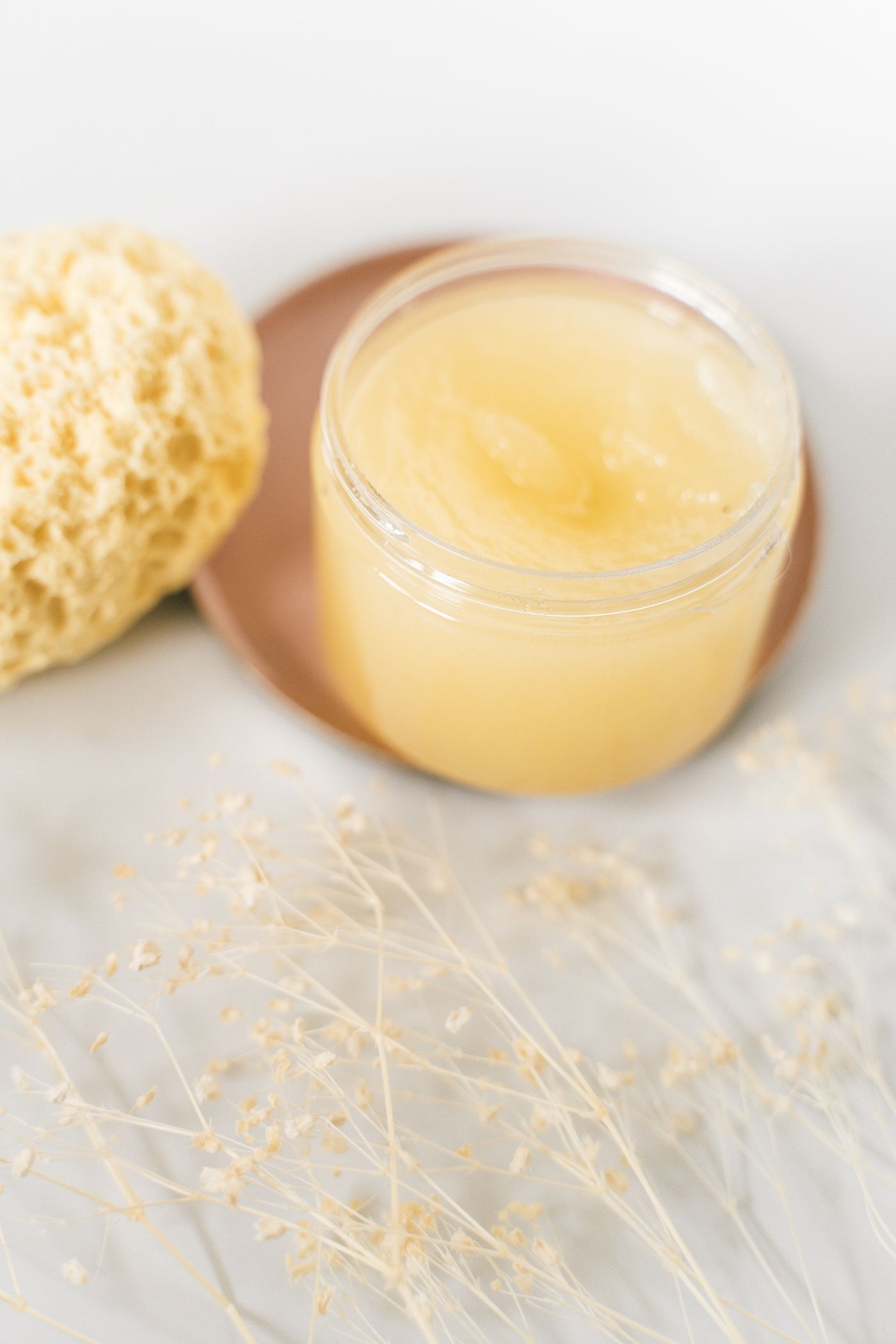
Look at the complete formulation
Ceramides are lipids found in the outer skin layer and also used in moisturizers. A cream can contain several types of lipids along with water-binding ingredients and ingredients that reduce evaporation. The presence of ceramides alone does not tell you whether the whole formula will feel rich, light or comfortable.
Compare the format for your skin
If your cheeks become tight during the afternoon, a cream may be worth comparing with your usual lotion. If you dislike a heavy finish, a lighter moisturizer might be a better choice for daytime. Look at the full ingredient list if you have known sensitivities. The front-label promise is only one part of the purchase decision.
Make value a practical question
Compare the price per ounce, the packaging and how often you expect to replace the product. A small jar that disappears quickly may cost more over the season than a larger tube. If an affordable cream already keeps your skin comfortable, there is no need to switch solely for a fashionable ingredient. Seek professional help for continuing dryness or irritation.
Why these ingredients appear in moisturizers
Ceramides are lipids found in the outer layers of the skin, and many cosmetic formulas include them alongside other ingredients. Their presence is often highlighted in products intended for dry or sensitive-feeling skin. However, a label advertising ceramides does not tell you the entire composition or establish how the finished product will perform for a particular person. Look at the type of moisturizer, instructions, other ingredients and actual experience of using it. There is no requirement that every basic moisturizer contain a named ceramide to be useful.
Lotion, cream or ointment?
A lightweight lotion may be convenient on the face in warm weather or beneath makeup. A thicker cream may be preferred on dry patches or at night. Ointments can feel more occlusive and are not interchangeable with every face cream. Compare how the texture suits the intended area and your schedule. If you have known contact allergies, read the complete ingredient list rather than selecting solely on the front label. The appropriate choice for a diagnosed skin condition may be different from a cosmetic purchase for everyday comfort.
Make a comparison at a useful scale
A large tub might have a lower unit price and make sense for someone moisturizing larger areas, while a small tube may be convenient for travel or an initial trial. Check the quantity in the same units and whether the formulation is intended for the same purpose. Consider the finish as well: a cream you avoid every morning because it interferes with sunscreen will not provide much value in that slot. A separate serum is optional if the moisturizer already feels comfortable.
Avoid unsupported conclusions from the ingredient list
The order of listed ingredients can give limited clues, but it does not reveal every concentration, the formulation process or evidence of clinical performance. Be cautious about claims that one named lipid or a particular ratio guarantees a medical outcome. Review supporting information for the finished product when available. If dryness persists despite appropriate routine changes, a dermatologist can assess other causes and suggest care. More jars are not automatically a more complete barrier routine.
Questions readers often ask
Do three named ceramides make a cream superior to one with none?
Not by themselves. The finished formula, intended use and evidence matter. A familiar basic moisturizer without a prominent ceramide claim can still be useful. Compare your experience, ingredients and cost rather than ranking products by the number of named lipids.
Is a large ceramide body cream appropriate for the face?
Check the product's intended use, ingredients and texture. Some people prefer a lighter facial formula, and a large tub may not be useful if you dislike wearing it under sunscreen. A unit-price saving does not establish suitability for the area.