Do you really need a separate night cream?
A way to evaluate daytime and evening moisturizers without unnecessary duplication.
Editorially expanded November 29, 2026 · Educational information
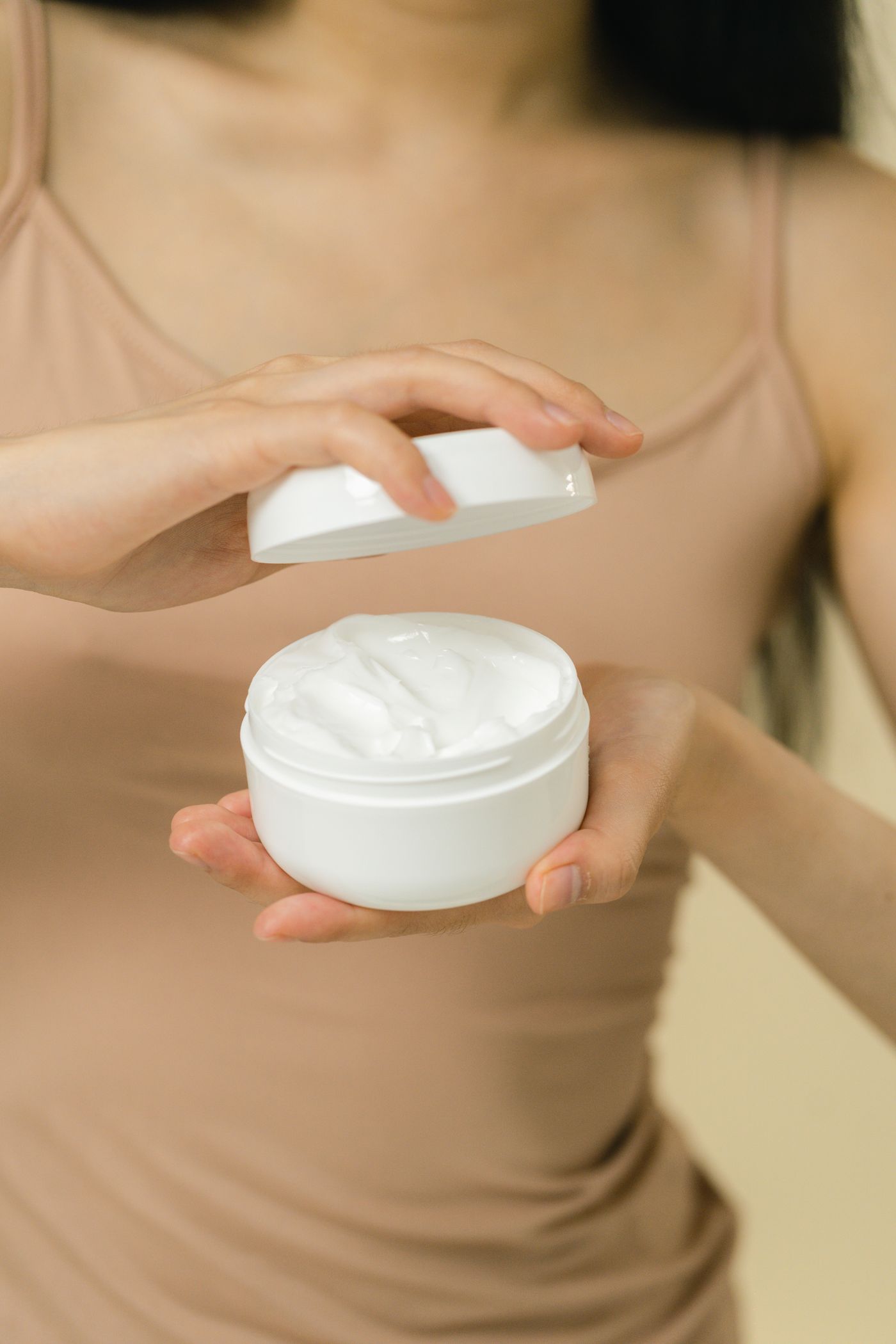
Identify the actual differences
Day and night are marketing categories, not universal formula standards. A daytime product may contain sunscreen or be designed for a lighter finish. A night cream may feel richer or include a specific active ingredient. Read the directions and full label to understand what separates two products before assuming you need both.
Consider your schedule and comfort
If one basic moisturizer works well morning and evening, there is no requirement to replace it with a pair. In the morning, apply appropriate sun protection as directed. At night, a more substantial moisturizer may appeal if skin feels dry. A sunscreen-containing moisturizer is not automatically necessary at bedtime.
Compare recurring costs
A two-product routine can be worthwhile if each bottle serves a clear purpose. Otherwise it adds expense, storage and another decision each day. Calculate how quickly you finish each bottle and whether a smaller format would prevent waste. Follow the instructions for products containing treatment ingredients rather than treating every cream as interchangeable.
Examine the real difference between the two packages
Day creams are often designed with a finish that works beneath makeup, while night creams may emphasize a richer texture or a particular active ingredient. Those are common marketing choices, not universal rules. Read the labels of the exact products. A daytime formula with an appropriate labeled SPF can provide sun protection when used as directed; a night cream without SPF cannot. A nighttime product containing a retinoid may have instructions and precautions that do not apply to an ordinary moisturizer.
When one moisturizer is enough
If a basic formula is comfortable after cleansing and layers well under sunscreen, the same product may be suitable morning and evening, provided its directions allow. There is no need to buy a second jar purely because the front of one package says night. For people with dry areas, applying a richer formula to those areas in the evening may feel more practical. For others, a light lotion works throughout the day. Choose the combination that addresses your actual needs rather than an advertised two-product system.
Think about morning protection separately
The most important distinction is whether a daytime product provides the necessary sun protection. Check the broad-spectrum statement, SPF and Drug Facts information if it contains sunscreen. Follow the label and plan reapplication when outdoors. Do not count a thin application of ordinary face cream as sun protection. If a combination product is difficult to use in the required amount, an ordinary moisturizer followed by a separate sunscreen may be a better fit. Evaluate the full routine rather than the elegance of a single jar.
Compare the cost of both approaches
Suppose a hypothetical $24 cream lasts two months when used twice daily. Purchasing a second $32 cream is not automatically an improvement; the value depends on how long each lasts and what difference it makes. A small travel size can be useful when trying a distinct night texture for the first time. Keep track of opening dates and storage guidance if you rotate multiple products. Avoid buying two creams with the same practical purpose simply because they are sold together.
Questions readers often ask
Can I use a daytime moisturizer at night?
An ordinary moisturizing formula may be appropriate at both times if its directions allow. If it contains sunscreen, that protective function is not needed while sleeping. If it includes a particular treatment ingredient, follow the relevant instructions instead of assuming that the marketing category determines usage.
Does skin need a richer moisturizer because it is nighttime?
Not automatically. Choose a texture based on comfort and the condition of the skin. Some people like a richer formula after cleansing in the evening; others find the same light lotion works well at both times. A separate night cream is a preference, not a universal requirement.