Why oily skin can still need a moisturizer
A practical look at hydration for skin that feels oily.
Editorially expanded November 29, 2026 · Educational information
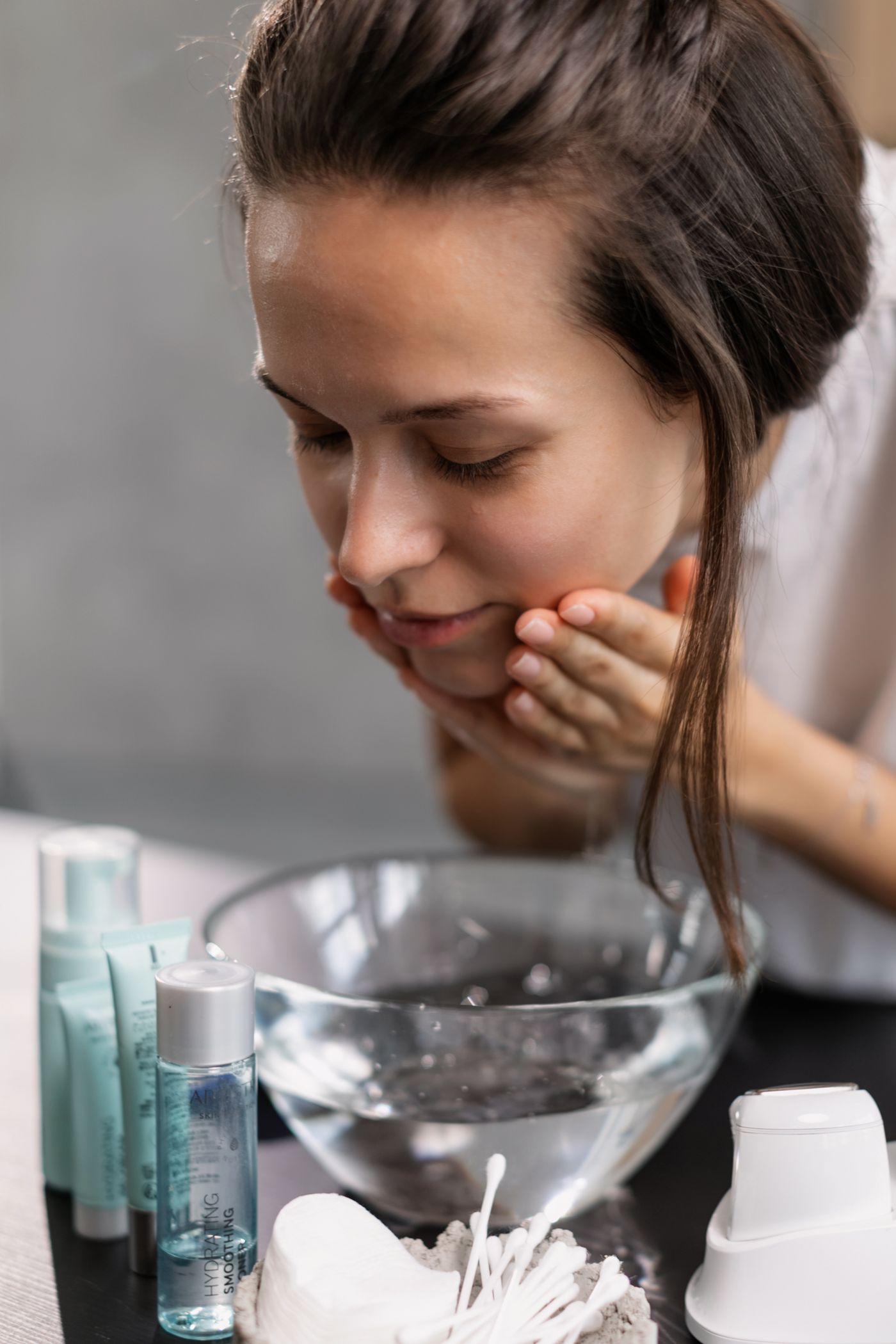
Oil and comfort are not identical
Skin can feel oily in some areas and tight in others. Some acne treatments can also cause dryness. Removing moisturizer solely because the skin looks shiny may not be the best solution for everyone.
Choose a workable formula
A light, non-comedogenic moisturizer is a reasonable starting point for acne-prone skin. Evaluate how it feels after application and beneath sunscreen. Avoid harsh scrubbing or frequent washing in an effort to eliminate oil completely.
Review the whole routine
If you use a prescribed acne treatment, ask your clinician how to combine it with moisturizer. Keep track of persistent irritation or worsening breakouts. Product labels are useful starting points but are not a substitute for individual care, especially when acne is painful or leaving scars.
Separate shine, acne and discomfort
Oiliness describes surface appearance; it does not establish whether a person has acne or whether the skin is comfortably hydrated. Someone may have a shiny forehead while the corners of the mouth feel dry. A harsh cleanser may remove surface oil temporarily but leave the skin feeling uncomfortable. Instead of trying to eliminate every trace of shine, decide which problem you want to solve: midday makeup wear, visible oil, tightness after cleansing or recurring breakouts. These concerns may call for different approaches, and a cosmetic moisturizer is not a substitute for treatment of persistent acne.
Compare a gel and a lotion in ordinary use
For an oily-feeling face, a lightweight lotion or gel may be easier to wear during the day. Some formulas contain humectants, which help retain water, while others have a more emollient finish. Labels such as non-comedogenic can be useful shopping cues, but they are not a guarantee that every reader will tolerate a formula. Read the whole ingredient list if you have known sensitivities. Try a small amount according to directions before deciding whether a rich cream or a light gel is more comfortable in your climate.
Avoid making cleansing do every job
A morning and evening wash, and washing after substantial sweating as needed, can be a reasonable foundation. Scrubbing repeatedly in response to shine can create irritation. If a treatment for acne has been prescribed, follow its instructions and ask the prescriber about a compatible moisturizer. In the morning, select a sunscreen you can apply properly without disliking the finish. On busy days, having a simple, consistent routine is usually more practical than several layers of oil-control products.
Evaluate the result beyond a mirror
Notice whether the skin feels comfortable when you smile, whether sunscreen goes on evenly and whether your face feels tight after washing. Midday blotting may help with cosmetic shine without requiring another full wash. Keep any new product separate from other changes so you can evaluate it. Painful or persistent acne, scarring and recurring rashes warrant professional care. Buying more mattifying products is not necessarily a solution to those problems.
Questions readers often ask
Should I avoid all oils in a moisturizer?
Do not choose solely on the word oil-free. Compare the finished texture, ingredient list and your experience. A label cannot guarantee that a formula will suit acne-prone skin. For persistent acne, a clinician can help choose treatments and compatible moisturizing products.
Is midday shine a reason to wash again?
Not necessarily. Cosmetic shine may be manageable without another full wash. After substantial sweating, gentle cleansing may be appropriate. Avoid repeated scrubbing in an attempt to make the skin completely matte, and restore sun protection when needed.