A routine for combination skin, without two bathroom cabinets
When your cheeks feel dry but your forehead gets shiny, a few small adjustments can be more useful than buying two complete sets of products.
Editorially expanded November 29, 2026 · Educational information
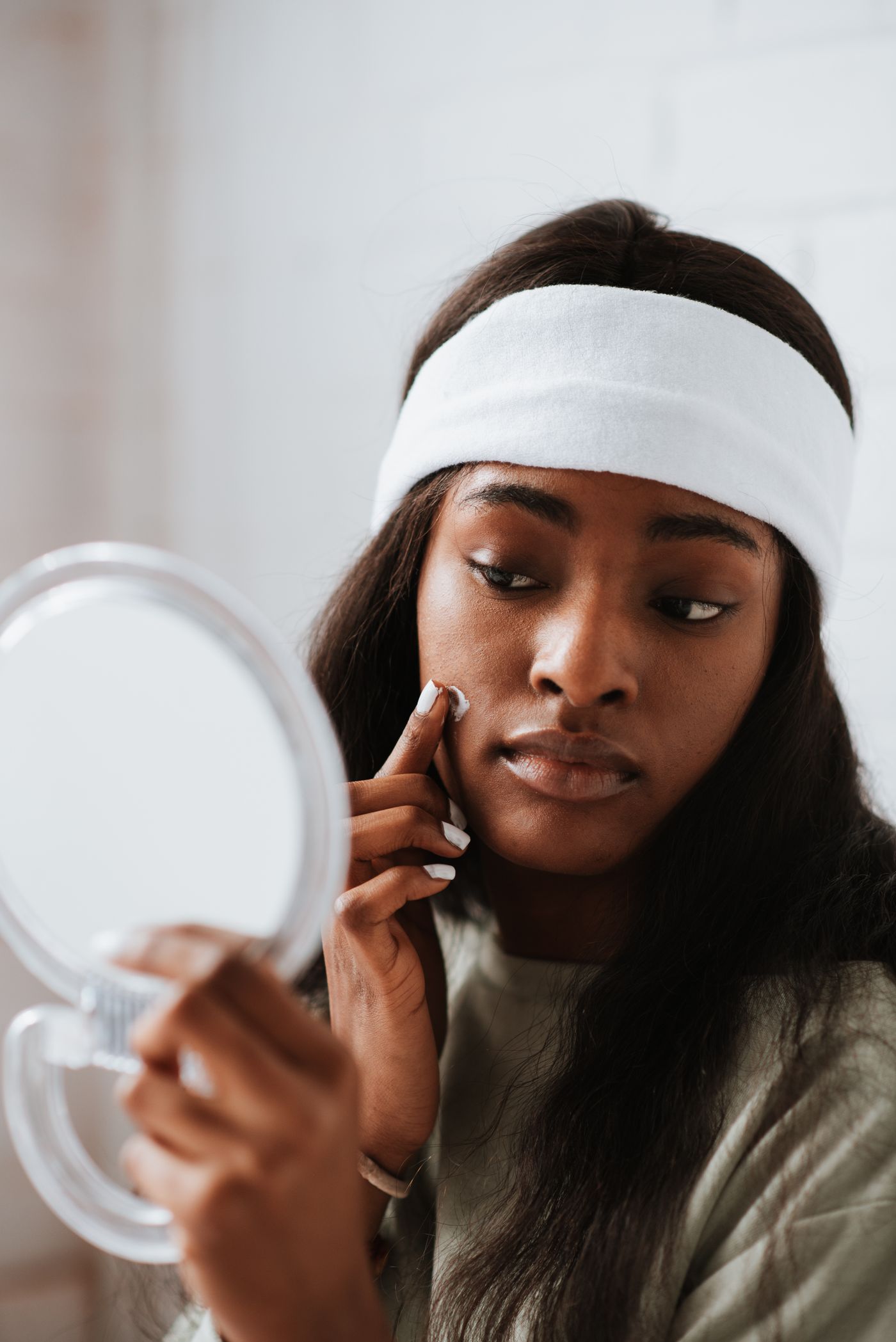
Start with the areas that behave differently
Combination skin is a description, not a diagnosis. Notice where you feel tight after washing and where makeup becomes shiny by midday. A cleanser that leaves the cheeks uncomfortable may not be a good trade for a temporarily matte forehead. Begin with a mild cleanser and see whether the skin remains comfortable after rinsing.
One base routine, different amounts
You can use the same uncomplicated moisturizer across the face, applying a little more to dry areas if needed. If a rich cream feels unpleasant on the forehead, try a lighter format there rather than adding an astringent. Finish your morning routine with broad-spectrum sun protection. When shopping, choose a texture you can apply in the amount directed, not just a product that looks good on your hand.
Keep a useful record
For a week, note the time of day, which areas feel dry, and whether a new product stings. Do not change your cleanser, serum and moisturizer together. A consistent observation is more informative than a single photograph. Persistent scaling, itching or painful breakouts warrant professional advice rather than further experiments with products.
Map the areas rather than labeling your entire face
The forehead and nose may become shiny by midday while the cheeks feel tight immediately after washing. That does not mean you need separate cleansers, serums and sunscreens for each region. Start by noticing where the difference occurs and whether it is consistent across seasons. Keep notes on makeup wear, dry patches and new breakouts. This is more useful than deciding your skin type from a single photograph or a quick online quiz. The goal is a routine you can adjust by area without making everyday washing and sun protection complicated.
Adjust texture before adding more steps
A lightweight moisturizer can be used across the face, with a little more applied to an area that feels dry if the directions allow. Some people prefer a richer formula on the cheeks in the evening and a lighter lotion during the day. That is a matter of comfort, not a requirement to own two complete routines. Avoid applying a drying treatment everywhere solely because your nose becomes oily. Keep sunscreen coverage consistent across exposed areas; it should not be reduced on the forehead because that area looks shiny.
A midday example
Imagine your makeup separates around the nose at lunchtime but still looks smooth on the cheeks. Consider whether excess product, a heavy base or perspiration is contributing. Before adding a mattifying serum, try a simpler layer underneath makeup on a day with similar weather. Blotting excess surface oil may be sufficient. If you change sunscreen, choose another appropriately protective product and keep the amount and reapplication consistent with its label. A cosmetic finish should never be achieved by applying less protection.
When the pattern changes
Seasonal heating, a long trip, acne medicines and irritating products can all affect comfort. A routine that felt balanced during summer may need a different moisturizer in winter. Make changes in small steps so you can tell which one made a difference. Persistent itchy or scaly areas, painful acne or a sudden change in your skin deserve an assessment; an online skin-type category cannot distinguish all possible causes. Keep a simple list of your products and bring it to an appointment if necessary.
Questions readers often ask
Should I apply less moisturizer to my nose?
You can adjust the amount or texture of a basic moisturizer by area if its directions allow. Notice whether your nose is uncomfortable or merely shiny. The same principle does not apply to reducing sunscreen coverage; follow its labeled directions on all exposed areas.
Can a combination routine use only one cleanser?
Often that is a reasonable starting point. Choose a mild product that removes what you ordinarily wear without causing tightness. A targeted makeup remover may be useful when wearing waterproof products. Separate formulas for every facial area are not automatically necessary.