A small skincare packing list for travel
How to keep a routine consistent away from home.
Editorially expanded November 29, 2026 · Educational information
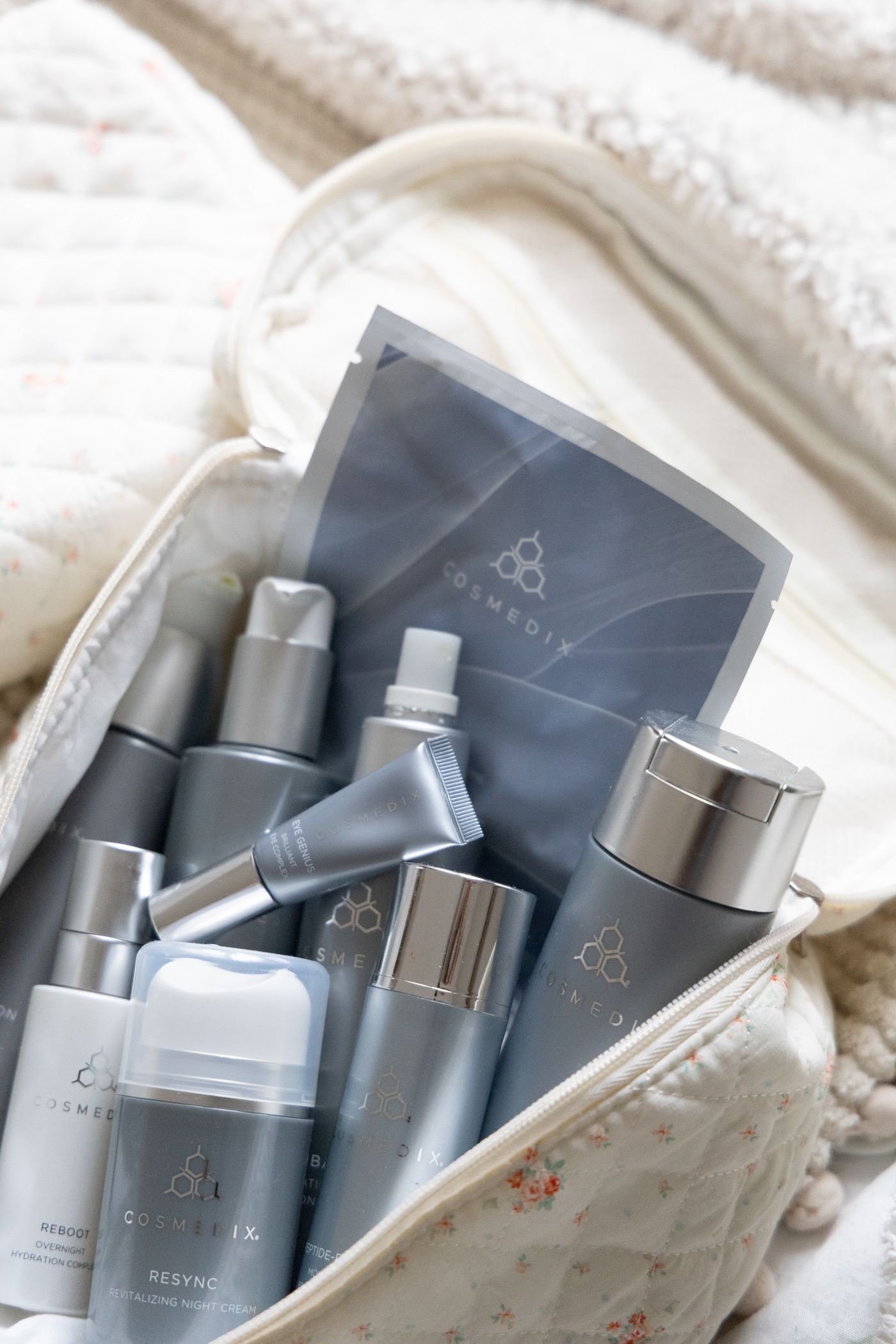
Pack the products that do the work
Bring a familiar cleanser, moisturizer and sunscreen, plus any prescribed treatments. Travel is often a poor time to try several new products because changes in weather and routine can make reactions harder to interpret.
Plan for outdoor time
Pack enough sunscreen to reapply according to the label and consider a hat and protective clothing. Check your destination's expected conditions. Keep products within their recommended storage conditions, especially in a hot car or direct sunlight.
Avoid mystery containers
If you transfer a product into a travel container, label it clearly and check whether its packaging is important to stability. Keep medications in their original labeled containers where possible. A compact routine should still preserve the instructions you need to use each product safely.
Plan for your destination, not a perfect shelf
A short city visit, a ski weekend and a beach trip place different demands on the same routine. Write down how much time you expect to spend outdoors, whether your accommodation has dry indoor air and whether you will wear makeup. Take the familiar products that address these activities. A new exfoliating mask or an unfamiliar retinol sample can stay at home. Changing climate, sleep and several products at once makes it harder to identify the cause of discomfort. Pack a familiar backup if you rely on a specific formula that may be difficult to replace at the destination.
Make sun protection easy to carry
Choose a sunscreen appropriate to the planned activity and use it according to the label. Water-resistant products may suit swimming or heavy sweating, but they still require reapplication. A brimmed hat, protective clothing and shade also matter. A bottle packed deep inside a suitcase is not available when you need it during a long day outside. Keep an accessible supply in the bag you actually carry, avoiding excessive heat and following storage instructions. Check current airport liquid restrictions separately when planning carry-on luggage.
Keep labels and containers intelligible
Use secure packaging, check caps and place liquids in a protective pouch. Keep sunscreen and medicated products in their original labeled containers whenever possible, especially when directions, expiration or warnings matter. For other products, clearly label any suitable travel container with the product name and opening information. Do not transfer a formula into a container that previously held something incompatible. Avoid sharing applicators and do not use hotel samples if you already know that certain fragrances or ingredients irritate you.
Adjust the routine when you return
After traveling, allow the ordinary routine to become familiar again before making a judgment about how your products perform. A little temporary dryness after a flight does not establish that you need a new full-size serum. If you encounter a rash or persistent swelling, seek appropriate care rather than trying every sample in your bag. Record a product you missed on the trip; that item is a useful candidate for your next packing list. Remove items you never opened. Over time, the travel kit should get smaller and more useful.
Questions readers often ask
Should I take all the skincare samples I have collected?
Probably not if the aim is a predictable routine. A trip is a poor time to test several new formulas because changes in climate, sleep and activity make reactions harder to understand. Take familiar products and introduce optional samples after returning.
Can I use a hotel sunscreen or buy one abroad?
Check the label and local regulatory information for the exact product. Directions and labeling can vary by country. If you rely on a specific sunscreen, bring an adequate supply, store it according to its instructions and plan for reapplication rather than depending on an unknown product.