A simple morning and evening skincare routine
A practical morning and evening plan for building a consistent skincare habit.
Editorially expanded November 29, 2026 · Educational information
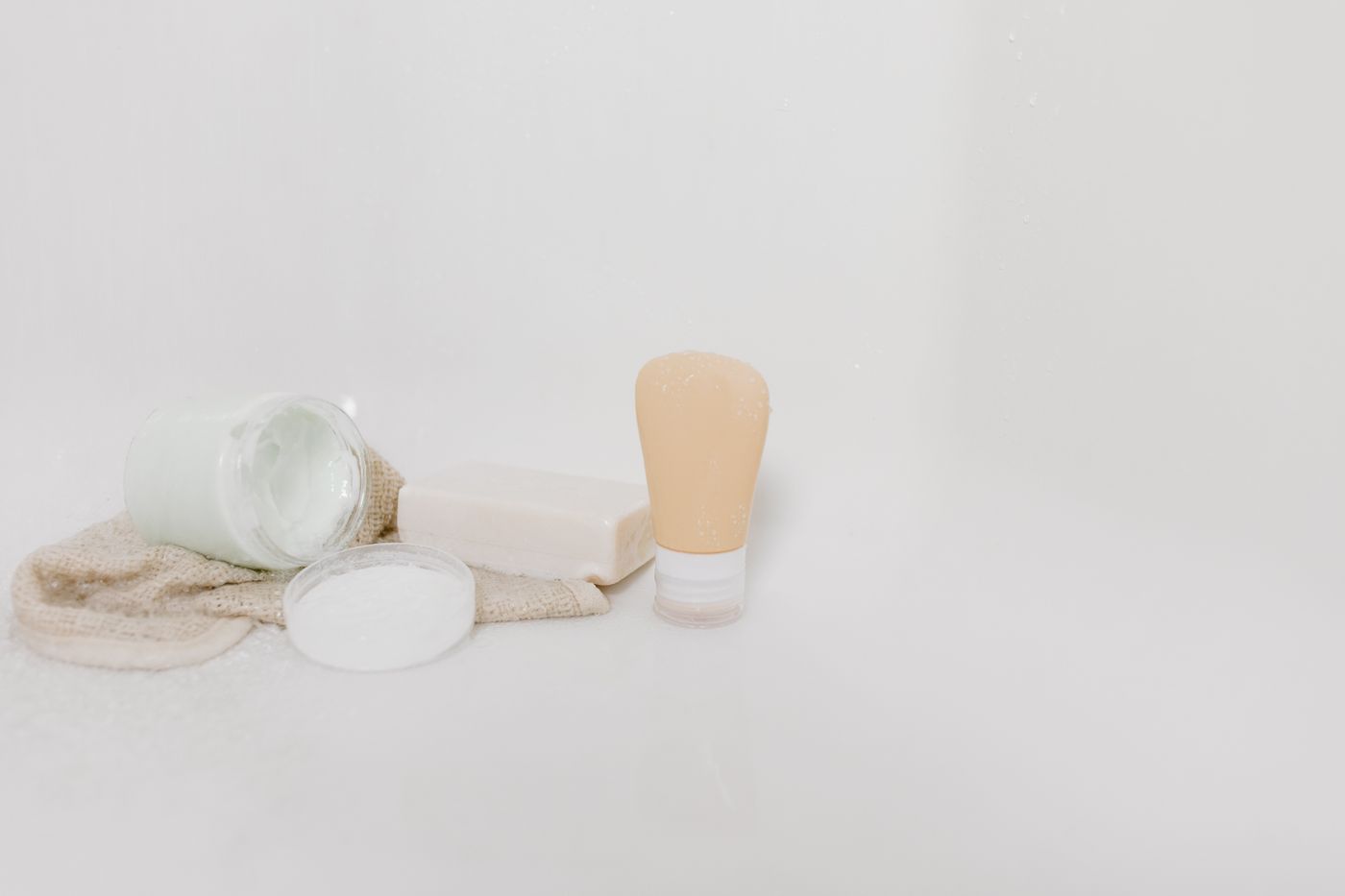
Morning: keep the essentials visible
Start with a gentle cleanser if you need one, then moisturize and apply broad-spectrum sunscreen as the last skincare step before makeup. If your face feels dry in the morning, a rinse may be enough. Keep your sunscreen next to the products you already reach for, rather than relying on a reminder on your phone.
Evening: remove the day
Wash away makeup, sunscreen and accumulated oil with a mild cleanser. Follow with moisturizer while the skin is slightly damp. You do not need an exfoliant, toner and multiple serums to make this routine complete. If you use a prescribed treatment, follow the directions from your clinician.
Build slowly
Give the basic routine time to become familiar before adding another product. Introduce one change at a time and note any discomfort. If a routine is too expensive or time-consuming to maintain, remove optional steps before cutting the essentials. Persistent irritation, pain or a rash calls for professional advice.
Build around the day you actually have
A skincare routine should have a predictable place in your schedule. Consider the person who showers before commuting and wears makeup most weekdays, versus someone who works outside and sweats frequently. Their morning products may be similar, but their opportunities to reapply sunscreen or wash sweat away are different. Put products where they are used, rather than collecting them in a display. A sunscreen by the morning mirror and a cleanser next to the evening sink are more useful than five serums tucked into a drawer. If you routinely miss a step, identify whether the issue is time, finish, irritation or simply forgetting it. Fix that problem before purchasing a replacement.
What each basic step contributes
Cleansing removes things you no longer want on your skin, including accumulated oil, makeup and sunscreen. It does not have to leave your face feeling dry. Moisturizing helps maintain comfort and limits water loss; people with oily areas may still benefit from a lighter formula. Sun protection is a separate priority, not an optional finishing touch reserved for vacations. Choose a broad-spectrum SPF 30 or higher for exposed skin, follow the label, and use shade and protective clothing where possible. If a sunscreen is also a moisturizer and feels comfortable, it may do both jobs in the morning. There is no requirement to buy a separate product for every category.
A practical sequence for a busy week
Morning: wash gently as needed, apply any appropriate treatment according to its directions, then moisturize if necessary and finish with sunscreen before makeup. Evening: remove makeup and sunscreen without vigorous rubbing, follow any prescribed treatment directions and moisturize. On a late night, do not compensate for missed steps by doubling an active ingredient the following day. On gym days, rinse or cleanse after substantial sweating, and reapply sun protection before heading outside. When traveling, take the core products rather than a dozen sample-sized treatments that your skin has never encountered.
Make one change worth measuring
Suppose your face feels tight halfway through the morning. Write down which cleanser and moisturizer you used, whether you spent time in air conditioning and whether the discomfort began before the sunscreen was applied. A change to cleansing technique or moisturizing may be more useful than adding a serum. If your sunscreen repeatedly rolls up under makeup, try it over a simpler routine rather than immediately replacing both products. The point of a basic routine is not to achieve an impressive shelf but to make cause and effect easier to see. Track comfort, not perfection, and ask a dermatologist about symptoms that persist.
A buying checklist for the first shopping trip
For a cleanser, compare rinse-off instructions, intended skin type and whether the formula contains fragrance if you are sensitive to it. For moisturizer, compare texture, packaging size and whether you can wear it comfortably under sun protection. For sunscreen, check the Drug Facts panel, broad-spectrum statement, SPF, water-resistance information when relevant, and expiration date. Price should be considered over the size of the package and how much you actually use. Leave room in the budget for replacements of the products you use every day rather than spending it all on a complicated starter set.
| Time | Basic sequence |
|---|---|
| Morning | Gentle cleanse as needed, directed treatment, moisturizer if needed, sunscreen |
| Evening | Remove makeup and sunscreen, directed treatment, moisturizer |
| Outdoor time | Reapply sunscreen as directed, clothing and shade |
A routine for a real working day
Consider a hypothetical reader who takes a bus to work, eats lunch outdoors and wears light foundation. She can make the morning routine predictable by keeping sunscreen alongside her other everyday products and taking a small supply in her bag. At lunch, protection should match her actual exposure, including reapplication when needed, rather than relying on the morning application. At night, the job is to remove the day's makeup and sunscreen gently and return to familiar products. The weekend might involve a long hike, so she also checks water resistance, clothing and the amount of sunscreen she will need. A useful routine accommodates these different days without requiring a completely different collection for each. Before changing anything, she records what she already uses and how comfortable it is. If one part of the schedule is difficult, such as applying enough sunscreen beneath makeup, she changes that part instead of purchasing a whole new set. This is an example of planning, not a claim about any individual's skin.
Questions readers often ask
Do I need a toner between cleanser and moisturizer?
Not as a general rule. A toner can be a pleasant optional product, but it should have a defined job. If it adds fragrance, exfoliating ingredients or another layer that you do not need, leaving it out may make the routine easier to tolerate. Do not confuse a toner with a prescribed treatment that has specific directions.
What should I do on an evening when I have very little time?
Focus on removing makeup and sunscreen gently and maintaining any required treatment instructions. Keep a suitable moisturizer available. Avoid compensating the following morning with twice the usual amount of an active ingredient. The best short routine is the one that is still appropriate when you are tired.