Gel, lotion or cream: finding a moisturizer that feels right
How texture, comfort and routine fit can guide your moisturizer choice.
Editorially expanded November 29, 2026 · Educational information
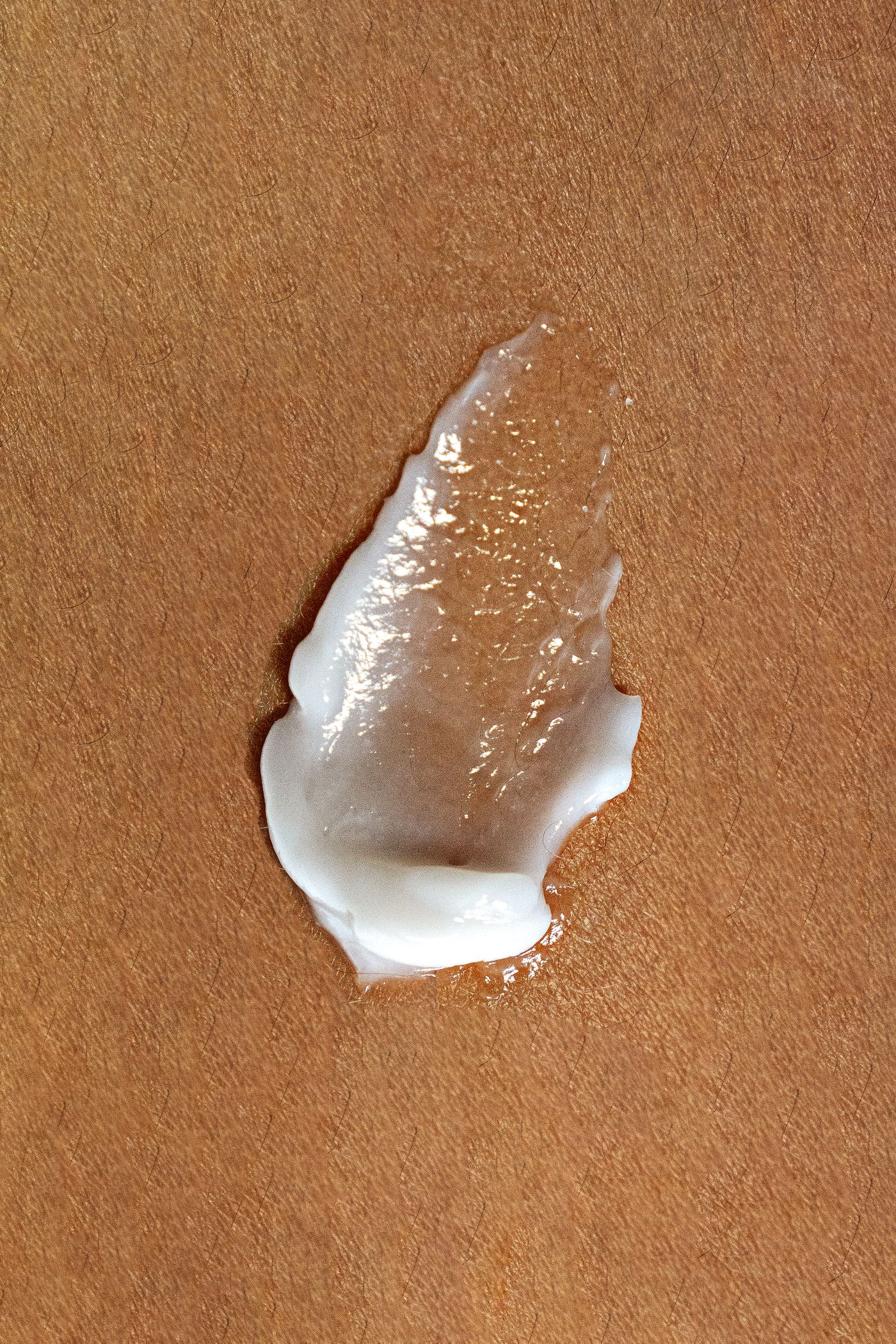
Match the texture to the moment
A light lotion or gel can feel comfortable in humid weather or under makeup. A richer cream can be useful when skin feels tight, particularly during dry seasons. Texture alone does not tell you whether a formula will suit your skin. A lightweight product can still be irritating, and a thick product is not necessarily better.
Think about the rest of your routine
Choose a moisturizer that layers comfortably with your sunscreen. If a new moisturizer pills when rubbed over another product, try using less and allowing layers to settle. For acne-prone skin, consider a non-comedogenic formula; the label is useful but not a guarantee for every individual.
Make the decision practical
Compare package size, ease of dispensing and how much you realistically use. If your current cream is comfortable, there is no need to buy a separate morning and evening version. Persistent dry, cracked or itchy skin deserves an evaluation rather than an endless series of product swaps.
Consider the physical format before the marketing name
A gel may feel light and spread quickly, a lotion often sits between a gel and a cream, and a thicker cream may feel more protective on a dry area. These are broad descriptions rather than a standardized ranking of performance. A particular gel may contain ingredients that give a sticky finish, and a particular cream may absorb comfortably. Compare the exact formulation and intended use instead of assuming that every product in a texture category behaves the same. The most useful choice depends on the area and how it feels throughout the day.
Choose around your ordinary activities
A person who applies makeup soon after moisturizing may value a base that settles easily. Someone whose hands feel dry after repeated washing may prefer a product that stays comfortable without interfering with work. A richer body cream might be useful after an evening shower but inconvenient in a small travel bag. Think about the amount needed and whether the packaging makes application easy. These practical differences can matter as much as a product's advertised ingredients.
Try to solve one problem at a time
If your current lotion is comfortable except on a dry patch, you may not need to replace every product in the routine. A richer option on that area may be sufficient, if suitable for the skin and used according to directions. If the issue is makeup pilling, look at the full combination with sunscreen and optional serums rather than automatically deciding that the moisturizer is too thick. Avoid reducing sunscreen coverage to improve appearance. A different texture can be useful, but it is not a diagnosis for persistent irritation.
Evaluate a moisturizer before buying another
Keep a short record of how the product feels after application, several hours later and after your usual cleansing routine. Consider fragrance, packaging, compatibility and cost over time. If the product repeatedly stings or causes a rash, stop using it and seek advice for continuing symptoms. Look for published ingredient lists and instructions when comparing online. Do not assume a luxury jar is better than an affordable formula, or that a watery texture provides inadequate moisture simply because it looks less substantial.
Questions readers often ask
Is a gel always best in summer?
No. A lighter finish may be convenient in warm conditions, but the formula and your preferences matter. A person who feels dry despite the weather may prefer a cream. Adjust the texture without abandoning appropriate sun protection or prescribed treatment.
Should a cream leave a film?
Some richer products feel more noticeable than light lotions. The desired finish depends on use, such as night care or beneath makeup. An uncomfortable or irritating film is not evidence that the formula works better. Compare ordinary wear and follow the label.