How to make sunscreen part of your morning routine
A guide to selecting and using sunscreen consistently.
Editorially expanded November 29, 2026 · Educational information
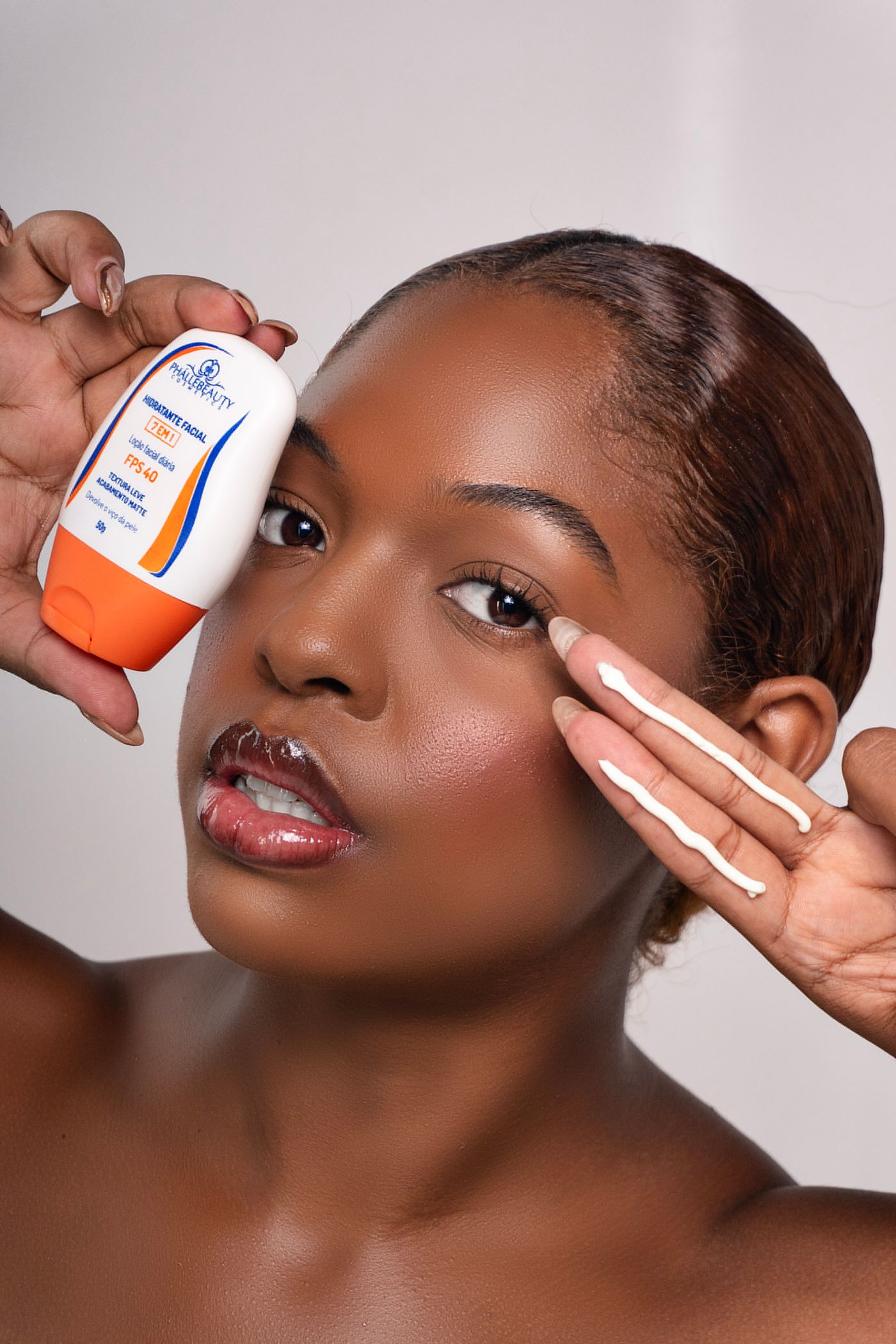
Read the front label
Look for broad-spectrum protection and SPF 30 or higher. Water resistance is useful when swimming or sweating, but it does not mean waterproof. Choose a finish you are comfortable wearing on exposed skin, and remember that shade, protective clothing and hats also matter.
Give application a place in the day
Apply sunscreen according to the directions before going outdoors. Cover easily forgotten areas such as ears, neck and the backs of hands when exposed. Reapply at least every two hours outdoors and after swimming or sweating as directed. A small travel tube can make reapplication easier.
Choose for real life
A formula that leaves an unacceptable cast, stings your eyes or feels uncomfortable may be difficult to use consistently. Try another format rather than abandoning protection. For persistent reactions or questions about sun sensitivity from medication, ask a health professional.
Read the label as an instruction sheet
Broad-spectrum labeling refers to protection against both UVA and UVB. The SPF value describes protection against sunburn under standardized test conditions, not a promise that one application lasts a certain number of hours. The American Academy of Dermatology recommends broad-spectrum, water-resistant SPF 30 or higher as part of sun protection. In the United States, sunscreen is regulated as an over-the-counter drug, so the Drug Facts information matters. Read the directions for when to apply, how to reapply and whether the product is water-resistant. The wording on the front of a beauty package cannot replace these instructions.
Build a morning habit that survives a rushed day
Keep the sunscreen where you finish your skincare and before makeup. Set aside enough time to apply it according to the label before exposure. Pay attention to areas that are often missed, including the ears, neck and exposed scalp. Use a suitable lip sun-protection product for the lips. If a moisturizer and sunscreen combination provides the labeled protection and you can use it as directed, a separate moisturizer may not be necessary. If you find your sunscreen too greasy, consider a different finish rather than skipping coverage on parts of the face.
Reapplication is a separate job
An early application at home is not a permanent layer for the rest of the day. Outdoors, reapply at least every two hours and after swimming or sweating as directed on the label. Water resistance in the United States is labeled for either 40 or 80 minutes; it does not mean waterproof. A long walk, outdoor lunch or garden work can make this relevant even if you did not plan a beach day. Keep a supply within reach and combine it with shade, a broad-brimmed hat and suitable clothing. Do not reduce the amount you use to make a small bottle last longer.
Compare mineral, organic-filter and tinted formats
Sunscreens may use mineral active ingredients, other UV filters or combinations. The best option for a particular reader depends on factors such as irritation history, coverage, finish and willingness to apply as directed. A mineral formula may leave a visible cast, while a tinted option may blend more comfortably with some skin tones. A sheer formula may feel easier beneath makeup but should still be used according to its label. Tinted products are not automatically high-protection sunscreens: check the SPF and broad-spectrum labeling separately. For a condition such as melasma, discuss additional considerations including visible-light protection with a dermatologist.
A decision guide for different kinds of days
For an ordinary workday, prioritize a product that is comfortable enough to wear consistently and fits your morning routine. For a day with outdoor exercise, look for suitable water resistance and a realistic plan to reapply. For a trip with children, keep sufficient sunscreen available and read age-related directions; seek medical advice for infants. For anyone using prescription medicines or experiencing repeated reactions, ask a clinician or pharmacist about compatible protection. These are practical planning examples, not individualized recommendations. Clothing and shade remain valuable even when a product has a high SPF.
What to do when the product disappoints
If a sunscreen stings or causes a rash, stop the suspect product and seek advice for persistent or serious reactions. If the issue is cosmetic pilling, try a simpler compatible routine and do not sacrifice coverage. If the product has expired or has been stored in excessive heat, review the package and replace it when appropriate. A sunscreen that looks separated or otherwise changed should not be assumed to perform normally. Avoid DIY sunscreen recipes and do not mix sunscreen into a cream to change its consistency, because doing so can undermine the labeled protection. The practical goal is not a flawless morning ritual; it is reliable protection you can maintain.
An example: making a day outdoors easier
For a Saturday market visit, consider when you will leave home, how long you may be outdoors and whether you can seek shade. A small facial sunscreen in a bag may help with reapplication, but check whether it will be enough for all exposed areas and how it should be stored. Pack sunglasses and a hat, and choose clothing that covers areas you do not intend to leave exposed. Read the label before leaving instead of trying to recall the instructions at lunchtime. If you will be near water or sweating, select suitable water resistance and plan around those conditions. When you get home, remove the products gently; an additional exfoliant is not required simply because you spent the day outside. The point of this example is to make the practical choices in advance, rather than judging protection by whether you have a visible sunburn at the end of the day.
Questions readers often ask
Is SPF 50 enough to skip a hat?
No. Sunscreen is one part of sun protection. Clothing, shade and a suitable hat reduce exposure in ways that do not depend on how evenly a cosmetic layer was applied. A high SPF does not extend the reapplication interval beyond the label.
Should I use less sunscreen under foundation?
No. Choose a sunscreen that is compatible with your makeup and use it as directed. Apply the makeup separately, avoiding disruption of the protective layer. If the combination pills, simplify optional layers or choose another suitable formula instead of reducing coverage.